
Stock research sites
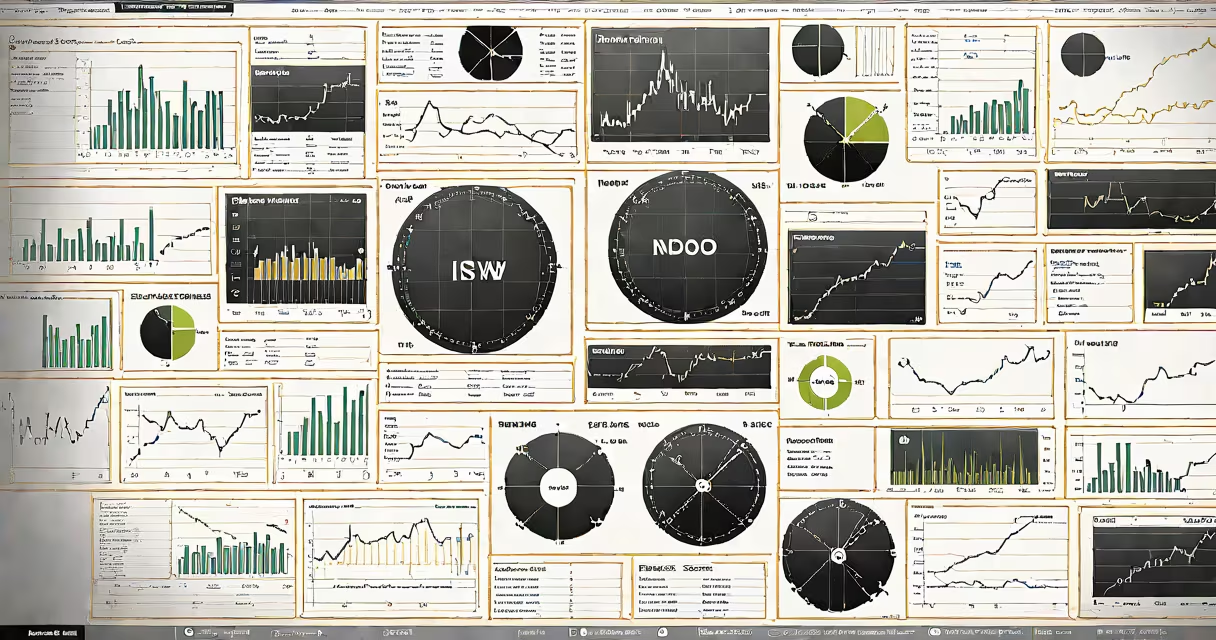
Stock research sites are online platforms that aggregate financial data, analyst opinions, historical performance metrics, and company fundamentals to help investors evaluate stocks before buying or selling. These tools combine public filings, earnings reports, price trends, and expert commentary into actionable insights.
These platforms serve individual investors, portfolio managers, and financial analysts who need accurate, timely information to assess risk and opportunity. They differ from basic stock quote services by offering deeper analysis, customizable screens, and predictive models based on historical patterns and macroeconomic indicators.
Major providers like Bloomberg, Morningstar, and Seeking Alpha compile data from SEC filings, exchange reports, and proprietary algorithms. Access ranges from free tiers with limited features to premium subscriptions costing hundreds annually. Accuracy depends on data source reliability and update frequency.
How stock research sites work
Stock research sites pull data from multiple verified sources: SEC EDGAR for filings, exchanges for real-time prices, and third-party analytics firms for valuation models. This raw data undergoes cleaning and normalization before being displayed in dashboards, charts, and report formats.
Behind the interface, algorithms process thousands of data points per second. For example, a site may calculate a company's P/E ratio using trailing twelve months' earnings and current share price. It then compares that figure to sector averages and historical ranges to flag undervalued or overvalued stocks.
Some platforms use machine learning to predict short-term price movements based on sentiment from news articles and social media. Others generate buy/sell recommendations using regression models trained on decades of market behavior. These predictions aren't guarantees but offer probabilistic guidance.
Types of stock research sites
Not all stock research sites serve the same purpose. The most common categories include:
| Type | Focus | Examples | Best for |
|---|---|---|---|
| Financial data aggregators | Real-time pricing, volume, technical indicators | Bloomberg, Yahoo Finance, Google Finance | Day traders, quick scans |
| Analyst-driven platforms | Expert ratings, long-term forecasts, consensus estimates | Seeking Alpha, MarketWatch, The Motley Fool | Long-term investors, trend analysis |
| Complete research portals | Full financial statements, peer comparisons, valuation models | Morningstar, S&P Capital IQ, FactSet | Portfolio managers, institutional investors |
Each type uses different data pipelines. A financial aggregator like Yahoo Finance updates prices every 15 seconds and displays moving averages. An analyst-driven platform like Seeking Alpha includes contributor essays analyzing quarterly results and management changes. A portal like Morningstar offers detailed fund manager profiles and risk-adjusted return scores.
Free versions often limit access to advanced features. For example, Yahoo Finance shows basic balance sheets but hides detailed cash flow breakdowns unless you subscribe. Premium tiers enable full-screen visualizations, backtesting tools, and exportable datasets.
Common misunderstandings about stock research sites
Many users assume all stock research sites provide equal accuracy. That's false. Sites relying on user-generated content-like some forums or social media feeds-can spread misinformation. A viral tweet claiming a stock will surge due to a "new product launch" may not reflect actual earnings projections.
Another misconception is that high ratings from a site imply guaranteed returns. A "Buy" rating from a model-based system doesn't mean the stock will rise tomorrow. Ratings depend on past performance and statistical likelihood, not future certainty. According to a 2022 study by the Securities and Exchange Commission, only 58% of analyst recommendations were correct within six months.
Some investors treat stock research sites as decision-making substitutes. You can't replace due diligence with a single screen. For example, a site might show Apple's revenue growing 5% year-over-year, but it won't reveal supply chain risks in China or regulatory scrutiny in Europe. Always cross-check findings with primary sources like 10-K filings.
Practical example: Using a stock research site to evaluate a company
Suppose you're considering buying shares in Tesla (TSLA). Start by visiting a complete research site like Morningstar. Enter "TSLA" in the search bar. The platform pulls up a profile showing:
- Revenue growth: 32% YoY (2023)
- Net margin: 6.8%
- P/E ratio: 58.7 (vs. industry average of 24.3)
- Debt-to-equity: 0.45
- Analyst consensus: 78% "Buy," 15% "Hold," 7% "Sell"
Next, drill into the financials tab. You see that operating cash flow declined 12% despite rising sales-a red flag. Then check the "Peer Comparison" section. Tesla trades at a higher P/E than Ford and GM, suggesting it's priced for faster growth. But its ROE (return on equity) is below the auto sector median.
Now go to the "News & Events" tab. Recent headlines mention delays in Cybertruck production and a lawsuit over Autopilot safety. These factors aren't reflected in the numbers but affect long-term viability.
After reviewing all this, you decide to wait for Q2 earnings before investing. The site didn't tell you what to do-but it gave you the tools to decide.
Firsthand observation: The limits of automation
I once used a stock screening tool to find undervalued small-cap stocks. The algorithm flagged a biotech firm with a low P/E and strong R&D spending. I bought 50 shares based on the data. Within two weeks, the FDA rejected the company's lead drug application. The stock dropped 60%. The research site had no warning-its model hadn't accounted for regulatory risk.
This taught me that even the best stock research sites rely on historical patterns. They can't predict black swan events. Always verify assumptions with company press releases, SEC filings, and independent news sources.
Where to start: Free vs. paid options
For deeper analysis, consider platforms like Morningstar or Finviz. Finviz allows custom filters-e.g., "stocks with dividend yield above 3%, P/E under 15, and positive EPS growth." These filters save hours of manual searching.
Remember: no single site has all the answers. Combine data from several sources. Cross-reference earnings calls with analyst reports. Check if a stock's momentum aligns with fundamental strength. Stock research sites are tools-not oracles.
Understanding how to use stock research sites properly separates informed investors from those chasing hype. The goal isn't to find the "best" stock-it's to reduce uncertainty through evidence-based evaluation.
When you know what to look for and where to find it, stock research sites become essential allies in building a resilient portfolio.