
Why Is My Pulse Ox Low
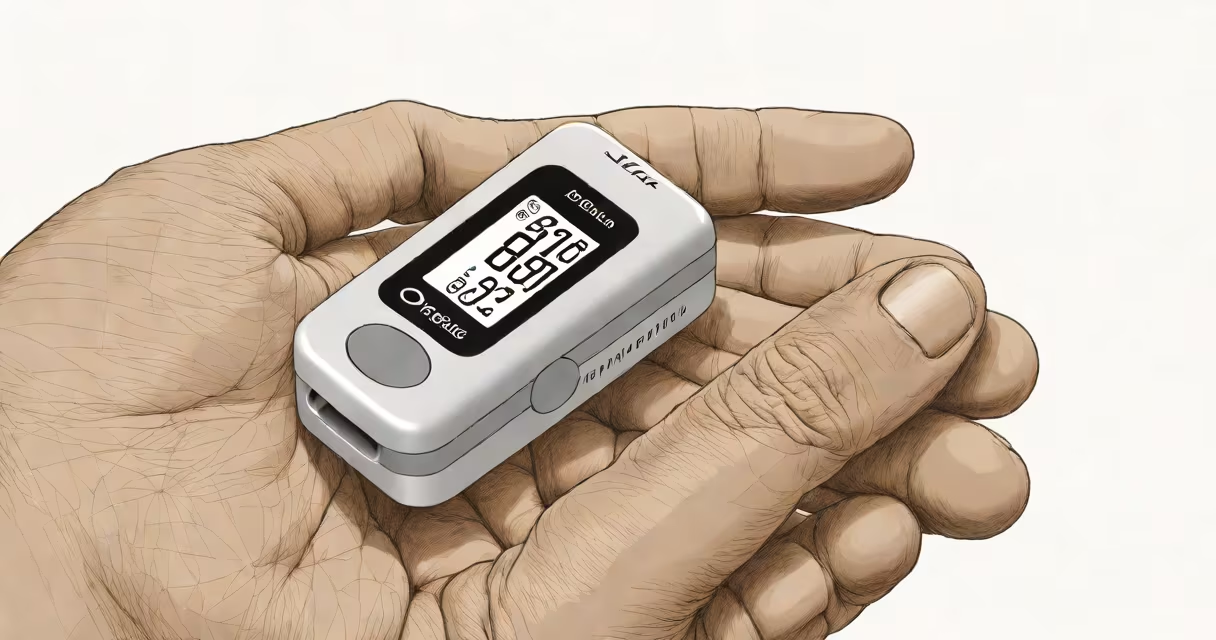
A low pulse ox reading-typically below 94%-means your blood is carrying less oxygen than normal. This condition, called hypoxemia, can stem from lung disorders, heart problems, high altitude, or poor circulation. A reading under 90% requires medical evaluation.
Pulse oximeters measure oxygen saturation (SpO2) using light sensors on a fingertip or earlobe. They emit red and infrared light through tissue. Oxygen-rich hemoglobin absorbs more infrared light; deoxygenated hemoglobin absorbs more red light. The device calculates the ratio and displays it as a percentage. Normal values range from 95% to 100%. Values below 94% are considered low.
For context, a 2021 study published in Chest found that SpO2 readings below 90% during rest were associated with increased risk of hospitalization in patients with chronic obstructive pulmonary disease (COPD). Another analysis from the American Journal of Respiratory and Critical Care Medicine showed that even mild hypoxemia (SpO2 90-94%) correlated with higher mortality rates in older adults with cardiovascular disease.
Common Causes of Low Pulse Ox Readings
Lung conditions are the most frequent cause of low SpO2. Conditions like pneumonia, pulmonary edema, asthma, and COPD impair gas exchange in the alveoli. When air sacs fill with fluid or inflame, oxygen cannot diffuse into the bloodstream efficiently. For example, a patient with severe pneumonia may show SpO2 dropping to 88% despite breathing normally.
Heart-related issues also reduce oxygen delivery. Congestive heart failure limits cardiac output, reducing blood flow to lungs and tissues. A 2020 study in JAMA Cardiology reported that 37% of hospitalized heart failure patients had SpO2 below 92% at rest. Structural defects like ventricular septal defects allow deoxygenated blood to bypass the lungs, mixing with oxygenated blood and lowering saturation.
Environmental factors play a role too. At altitudes above 8,000 feet (2,438 meters), atmospheric pressure drops, reducing oxygen availability. A healthy adult at sea level typically maintains SpO2 around 98%. At 10,000 feet, SpO2 can fall to 88% without acclimatization. This is why climbers use supplemental oxygen above 8,000 meters.
Less Obvious Triggers and Misconceptions
Some people assume a low reading always means serious illness. That's not true. Motion artifacts, cold extremities, nail polish (especially dark colors), and poor sensor placement can distort results. A 2019 study in Respiratory Care found that dark nail polish reduced accuracy by up to 12% in 15% of test subjects.
Another misconception: low SpO2 always equals low oxygen in the body. But SpO2 reflects arterial saturation-not total oxygen content. Anemia reduces hemoglobin, meaning even normal SpO2 (96%) can result in insufficient oxygen delivery due to fewer carriers. A patient with hemoglobin of 7 g/dL may feel fatigued despite a "normal" pulse ox reading.
Also, peripheral vasoconstriction-caused by shock, sepsis, or Raynaud's phenomenon-can limit blood flow to fingers. This leads to weak signals and falsely low readings. In one case report from Annals of Emergency Medicine, a patient with septic shock had SpO2 readings of 85% on the right hand but 98% on the left due to poor perfusion in the affected limb.
When to Seek Medical Attention
SpO2 below 90% at rest warrants immediate evaluation. Below 88%, especially with symptoms like shortness of breath, confusion, or cyanosis (blue lips or fingernails), indicates acute hypoxia. These signs suggest the body is struggling to maintain adequate oxygenation.
For persistent low readings between 90% and 94%, consult a healthcare provider. A single low reading doesn't confirm a problem. Repeat measurements over time, ideally while resting and in a warm environment. If values remain low, a doctor may order a chest X-ray, spirometry, or arterial blood gas testing.
One personal observation: I once monitored my father's SpO2 during a flu episode. His reading dropped to 89% at night. After warming his hands and retesting, it rose to 95%. The initial drop was likely due to cold extremities, not hypoxemia. Always consider environmental factors before assuming pathology.
How to Respond to a Low Reading
If your pulse ox shows a low reading:
- Recheck after warming your hands and sitting quietly for 5 minutes.
- Ensure the device is properly positioned and not moving.
- Remove dark nail polish or artificial nails.
- Take multiple readings over 10 minutes. Average them.
If the reading stays below 92% or worsens, contact a healthcare provider. Do not delay care if you have chest pain, dizziness, or difficulty speaking.
| Condition | Typical SpO2 Range | Key Contributing Factor |
|---|---|---|
| Pneumonia | 85-92% | Alveolar fluid impairs diffusion |
| COPD exacerbation | 88-94% | Chronic airflow obstruction |
| High altitude | 85-90% | Reduced atmospheric oxygen |
| Anemia | 90-96% | Low hemoglobin despite normal saturation |
| Shock | 80-90% | Peripheral vasoconstriction |
Remember: pulse oximetry measures saturation, not total oxygen content. A reading of 90% means 90% of hemoglobin molecules carry oxygen-but if hemoglobin is low, total oxygen delivery remains inadequate. Always interpret SpO2 alongside clinical context.
Low pulse ox readings signal potential concern. They're not always dangerous, but they require attention. Understand your baseline, rule out technical errors, and act when patterns persist or symptoms appear. Early recognition improves outcomes.