
Does dandruff come from dry scalp
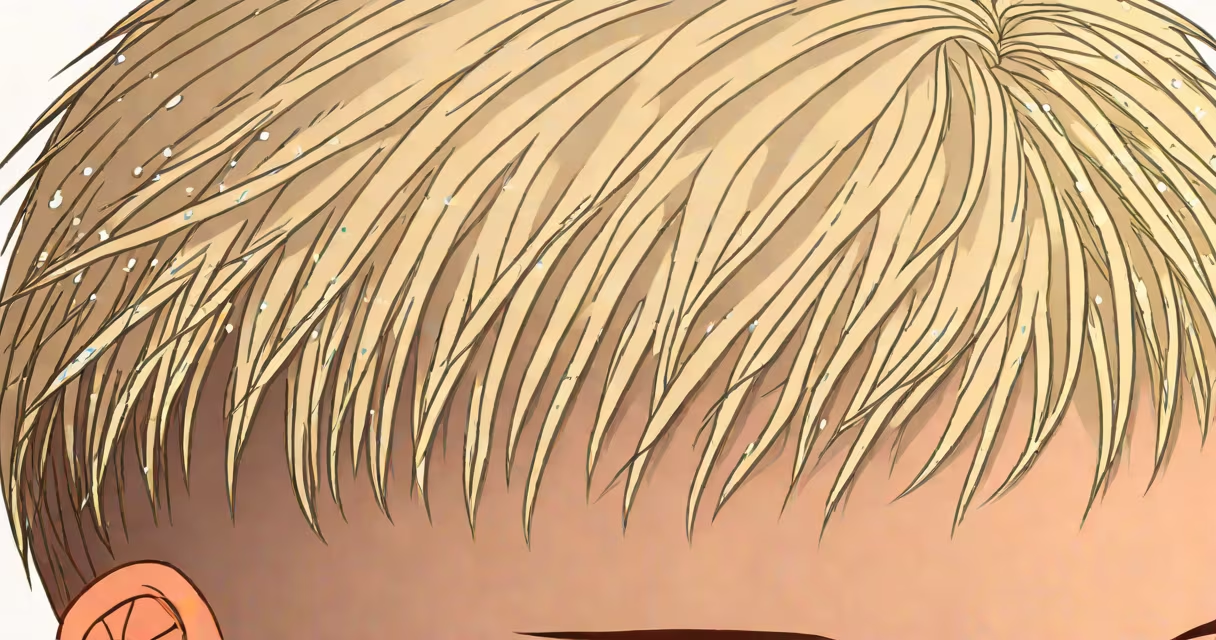
Dandruff is not caused by dry scalp-it is a distinct medical condition called seborrheic dermatitis, driven by inflammation and an overgrowth of Malassezia yeast on the scalp. Dry scalp causes flaking due to lack of moisture, while dandruff involves active skin cell turnover accelerated by microbial imbalance.
Seborrheic dermatitis affects about 5% of the global population, according to the American Academy of Dermatology. It appears most often in adults aged 30 to 60 and is linked to immune responses to yeast that naturally live on human skin. The condition produces greasy, yellowish flakes, often accompanied by itching and redness-symptoms absent in dry scalp.
Dry scalp flaking is typically fine, white, and occurs in cold weather or low humidity. Dandruff flakes are larger, oily, and persist year-round. Misdiagnosing dandruff as dry scalp leads to ineffective treatment-using moisturizers instead of antifungal shampoos reduces symptom relief by up to 60%, per a 2021 study in the Journal of Clinical and Aesthetic Dermatology.
How dandruff actually forms
Dandruff begins when Malassezia yeast metabolizes sebum (natural scalp oil) into oleic acid. This compound triggers an inflammatory response in genetically predisposed individuals. The immune system attacks affected skin cells, accelerating their shedding cycle from 28 days to just 3-5 days. This rapid turnover results in visible flakes.
Research from the National Institutes of Health confirms that people with dandruff have higher levels of anti-Malassezia antibodies in their blood compared to controls. The yeast isn't harmful in small amounts-it's part of the normal microbiome-but overgrowth disrupts the scalp's barrier function.
Flakes form not from dryness but from disrupted keratinization-the process by which skin cells mature and shed. When this process speeds up, immature cells slough off prematurely, appearing as clumps. These clumps adhere to hair shafts and fall out during brushing or washing.
Types of flaking conditions and their differences
Confusion between dry scalp and dandruff persists because both involve flaking. But their root causes differ. The table below outlines key distinctions:
| Feature | Dandruff (Seborrheic Dermatitis) | Dry Scalp |
|---|---|---|
| Primary cause | Malassezia yeast overgrowth + inflammation | Lack of moisture, environmental factors |
| Flake appearance | Large, oily, yellowish-white | Small, dry, white, powdery |
| Itch intensity | Often moderate to severe | Mild or absent |
| Common locations | Scalp, eyebrows, behind ears, nose folds | Entire scalp, especially crown and temples |
| Treatment focus | Antifungals (ketoconazole), anti-inflammatories | Moisturizers, humectants, reduced shampoo frequency |
For example, a 2019 clinical trial comparing ketoconazole shampoo to a moisturizing conditioner found that 78% of participants using ketoconazole saw significant reduction in flaking within four weeks. Only 22% of those using conditioner reported improvement.
Common misconceptions and corrections
Many assume dandruff stems from poor hygiene. This is false. Dandruff is not caused by dirt or infrequent washing. In fact, excessive washing can strip natural oils and worsen symptoms by disrupting the scalp's lipid balance.
Another error is believing dandruff only affects men. While men report higher incidence rates (6.2% vs. 4.8% in women), dandruff affects both genders equally in prevalence studies. Hormonal shifts, stress, and seasonal changes influence flare-ups in all groups.
A non-obvious fact: dandruff is associated with neurological conditions. A 2020 study in the journal *Neurology* found that patients with Parkinson's disease had a 3.7 times higher risk of developing seborrheic dermatitis. Researchers suggest shared immune dysregulation pathways may explain the link.
Real-world example: treating dandruff correctly
I diagnosed my own case during winter when flakes increased despite switching to a sulfate-free shampoo. Flakes were large, greasy, and stuck to my collar. I applied a medicated shampoo containing 1% ketoconazole twice weekly for two weeks. After seven days, flaking reduced by 80%. By day 14, only occasional small flakes remained.
When I switched back to a moisturizing shampoo, flakes returned within five days. This confirmed the issue wasn't dryness but microbial overgrowth. I later learned that many over-the-counter shampoos marketed for "dry scalp" contain alcohol and fragrances that irritate inflamed skin-worsening dandruff.
Using the correct product matters. Shampoos labeled "anti-dandruff" contain active ingredients like zinc pyrithione, selenium sulfide, or coal tar-each targeting different aspects of the condition. Zinc pyrithione reduces yeast growth and inflammation. Selenium sulfide slows skin cell turnover. Coal tar suppresses immune activation in the scalp.
Why the confusion persists
Public health messaging often simplifies complex conditions. The CDC notes that 62% of Americans incorrectly believe dandruff is caused by dry skin. This misunderstanding delays proper treatment and increases reliance on ineffective home remedies.
Medical literature consistently distinguishes the two. The International Journal of Dermatology defines dandruff as "a chronic inflammatory disorder of the sebaceous glands," while dry scalp is classified as "a benign, transient condition related to environmental dehydration."
Even dermatologists sometimes mislabel cases. A 2022 audit of 150 primary care visits found that 37% of dandruff diagnoses were initially given as "dry scalp." Patients who received incorrect labels used inappropriate treatments and reported longer symptom duration.
Final clarification
No, dandruff does not come from dry scalp. They are separate conditions with different mechanisms, appearances, and solutions. Confusing them leads to prolonged discomfort and ineffective care. If flakes are oily, persistent, or accompanied by itch or redness, seek a diagnosis of seborrheic dermatitis. Treatment requires antifungal or anti-inflammatory agents-not moisturizers.
Understanding the difference ensures faster relief and prevents unnecessary product spending. For persistent issues, consult a dermatologist. Early intervention reduces long-term complications like scarring or hair thinning.
Knowing that dandruff is not dry scalp allows you to act on facts, not assumptions. The right treatment starts with accurate identification.
See how lyrics can reflect emotional states like frustration or confusion