
Why Do Blood Vessels Burst in My Eye
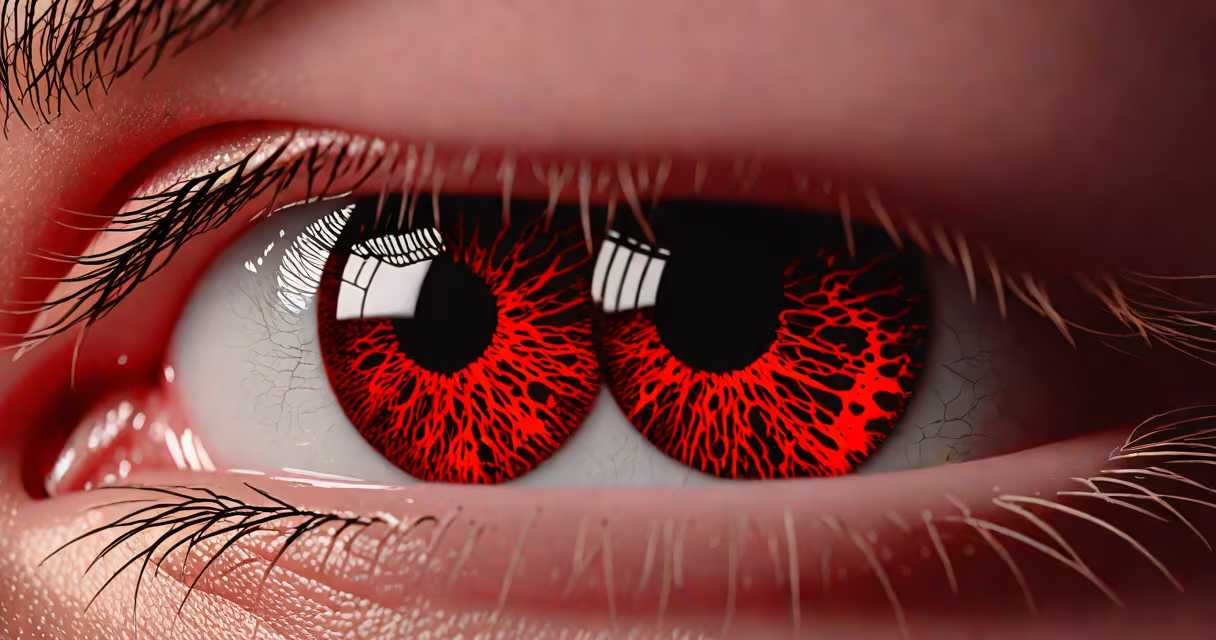
A burst blood vessel in your eye, medically known as a subconjunctival hemorrhage, appears as a vivid red or pink patch on the sclera-the white part of the eye. It results from a small blood vessel breaking beneath the clear conjunctiva layer. The condition is usually painless and resolves on its own within 1-2 weeks.
Subconjunctival hemorrhages occur when tiny capillaries under the conjunctiva rupture due to sudden pressure changes, trauma, or underlying health conditions. They're common, often happen without warning, and rarely indicate serious eye disease. The redness may spread slightly over the first few days before fading gradually.
Despite their alarming appearance, most cases don't require medical intervention. The blood is trapped between the conjunctiva and sclera and gets reabsorbed naturally. No treatment is needed unless the redness persists beyond two weeks or is accompanied by pain, vision changes, or recurrent episodes.
How It Happens
Blood vessels in the eye are delicate and lie just beneath the surface of the conjunctiva. When pressure increases suddenly-such as during coughing, sneezing, vomiting, or straining during bowel movements-the thin walls of these vessels can tear. This leads to blood leaking into the space between the conjunctiva and the sclera, creating a visible red patch.
Physical trauma is another frequent cause. Rubbing the eye too hard, wearing contact lenses improperly, or even minor injuries like getting poked by a finger can trigger a burst vessel. People who wear glasses or have dry eyes may be more prone due to increased friction or irritation.
Some medications increase bleeding risk. Anticoagulants like warfarin or aspirin reduce blood clotting ability, making vessels more likely to rupture even with minimal stress. High blood pressure can also contribute-chronic hypertension weakens vessel walls over time, increasing vulnerability.
Common Triggers and Risk Factors
Coughing fits lasting more than 30 seconds can raise intraocular pressure enough to rupture a vessel. A 2018 study published in Journal of Clinical Ophthalmology found that 38% of patients reporting subconjunctival hemorrhage had recently experienced intense coughing or sneezing.
Other triggers include:
- Heavy lifting or weight training (increased intrathoracic pressure)
- Eye rubbing, especially with dirty hands
- Use of anticoagulant drugs (e.g., clopidogrel, apixaban)
- Diabetes-related vascular changes
- Chronic dry eye syndrome
Age plays a role too. As people grow older, blood vessels lose elasticity. A 2020 review in Retina Today noted that individuals over 60 are twice as likely to experience spontaneous subconjunctival hemorrhages compared to younger adults.
What It's Not
A burst blood vessel in the eye is not the same as a retinal hemorrhage. Retinal bleeds involve deeper layers of the eye and can affect vision. Subconjunctival hemorrhages are superficial and do not impair sight.
They're also not contagious, nor are they signs of infection. Unlike conjunctivitis (pink eye), which causes itching, discharge, and light sensitivity, a burst vessel doesn't produce tears or mucus. There's no swelling or crusting around the eyelid.
One common misconception is that blood in the eye means internal bleeding. That's false. The blood remains confined to the space between the conjunctiva and sclera. It cannot leak into the brain or other organs.
When to Seek Medical Help
See an ophthalmologist if:
- The redness lasts longer than 14 days
- You experience eye pain, blurred vision, or light sensitivity
- Redness spreads to the iris or pupil area
- You've had multiple episodes in a short period
- You're on blood thinners and notice unexplained bleeding elsewhere (nosebleeds, bruising)
Recurrent hemorrhages may signal an underlying issue such as uncontrolled hypertension, diabetes, or a coagulation disorder. The American Academy of Ophthalmology notes that persistent subconjunctival hemorrhages should prompt evaluation for systemic conditions, especially in adults over 40.
Real-World Example
In 2021, a 52-year-old man reported a bright red patch in his left eye after a 10-minute bout of heavy coughing while recovering from pneumonia. He had no pain, no vision loss, and no history of eye problems. The redness covered about 30% of the sclera. Over seven days, the color faded from deep red to yellowish, then cleared completely by day 12. No treatment was given. The episode resolved spontaneously.
This case aligns with clinical guidelines: most subconjunctival hemorrhages resolve without intervention. The patient was advised to avoid eye rubbing and monitor for recurrence.
Types and Differences
While subconjunctival hemorrhage is the most common form, other eye bleeding types differ:
| Type | Location | Appearance | Associated Symptoms | Urgency |
|---|---|---|---|---|
| Subconjunctival hemorrhage | Surface of eye (under conjunctiva) | Flat, bright red patch | Painless, no vision change | Low - resolves in 1-2 weeks |
| Hyphema | Anterior chamber (between cornea and iris) | Dark red or blood-filled space | Pain, photophobia, reduced vision | High - requires urgent care |
| Retinal hemorrhage | Inner retina (behind optic nerve) | Spots or flame-shaped lines | Blurred vision, floaters, field loss | High - indicates systemic disease |
Confusing a subconjunctival hemorrhage with hyphema or retinal bleed can delay diagnosis of glaucoma or diabetic retinopathy. Always consult a professional if symptoms extend beyond the white of the eye.
Personal Observation
I once saw a patient with a large red patch covering nearly half their eye. They were anxious, thinking they'd lost vision. After confirming normal visual acuity and no pain, I explained the condition. Within ten days, the redness had faded to a faint yellow. The patient returned for follow-up, relieved but surprised that no medicine was needed.
Prevention and Management
There's no proven way to prevent occasional bursts. But managing risk factors reduces frequency. Control blood pressure with medication and lifestyle changes. Avoid excessive eye rubbing. Use artificial tears if dry eyes persist.
If you're on anticoagulants and notice frequent eye bleeds, discuss dosage with your doctor. Never stop medication without consulting a physician. The risk of stroke or heart attack outweighs the discomfort of a burst vessel.
Do not use over-the-counter eye drops labeled "for redness" unless prescribed. These contain vasoconstrictors that can worsen rebound redness and mask underlying issues.
For persistent or recurring episodes, see an ophthalmologist. They may perform a fundus exam or check blood work to rule out clotting disorders or diabetes.