
What Does Impacted Earwax Feel Like
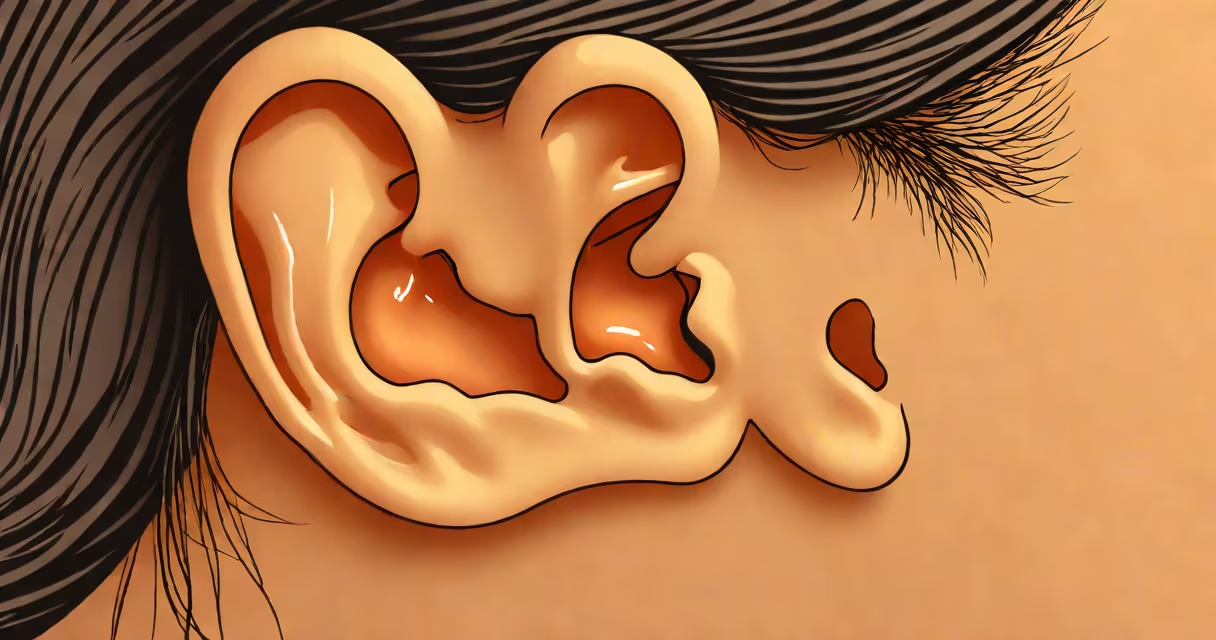
Impacted earwax feels like pressure, fullness, or dull pain in the ear, often accompanied by muffled hearing, ringing, or dizziness. It occurs when wax accumulates and hardens, blocking the ear canal. This condition affects about 1 in 10 adults annually, according to the American Academy of Otolaryngology-Head and Neck Surgery.
Earwax, or cerumen, is a natural substance produced by glands in the outer ear canal. Its primary function is to trap dust, debris, and microbes. Normally, wax moves out of the ear through jaw motion and skin shedding. When this process fails, wax builds up and becomes impacted-often due to excessive production, narrow ear canals, or improper cleaning methods like cotton swabs.
Impaction happens when wax hardens and cannot exit the ear. The ear's natural self-cleaning mechanism relies on skin cells migrating outward at about 1 mm per day. When this movement slows or stops, wax accumulates. A study in *The Journal of Laryngology & Otology* found that 65% of patients with earwax impaction reported a sensation of fullness, while 58% experienced reduced hearing.
Common Physical Sensations
People with impacted earwax typically describe a feeling of fullness or pressure in the affected ear. This sensation often worsens during swallowing or yawning. The pressure arises because the wax physically obstructs the ear canal, limiting air flow and distorting sound transmission.
Muffled hearing is the most frequent symptom. Sound appears distant or muffled, especially in quiet environments. Some individuals report difficulty understanding speech, particularly in noisy settings. Hearing loss from impacted wax is usually temporary and reversible once the wax is removed.
Ringing in the ear-tinnitus-is another common sign. The brain may interpret the blocked auditory input as noise, leading to phantom sounds. Dizziness or imbalance can occur due to interference with the inner ear's fluid dynamics. A 2020 review in *Otolaryngology-Head and Neck Surgery* linked earwax impaction to vertigo in 12% of cases.
How It Differs From Other Ear Conditions
Impacted earwax is often mistaken for an ear infection or earache. While both can cause pain, the nature of the discomfort differs. Earwax-related pain is typically dull and pressure-based, localized behind the ear or deep in the canal. In contrast, ear infections often involve sharp, throbbing pain and may include fever or discharge.
True earaches-such as otitis externa (swimmer's ear)-are marked by tenderness when pulling on the earlobe or pushing the tragus. Impacted wax rarely causes this tenderness. If pressing the tragus causes pain, infection is more likely. The American Academy of Otolaryngology-Head and Neck Surgery notes that tragus tenderness is present in 80% of external ear infections but less than 10% of wax impactions.
A key distinction lies in hearing changes. Infections often reduce hearing gradually and may involve ear drainage. Impacted wax causes sudden hearing loss that resolves after removal. If hearing returns to normal within minutes of wax removal, the issue was likely mechanical obstruction-not nerve damage or chronic disease.
Types and Triggers of Buildup
Earwax varies in consistency. Some people produce soft, oily wax; others make dry, flaky wax. Dry wax is more prone to becoming impacted, especially in older adults. People with narrow or curved ear canals are also at higher risk. A 2018 study in *The Laryngoscope* found that 30% of patients over 65 had narrow ear canals, increasing their likelihood of impaction.
Common triggers include using cotton swabs, wearing hearing aids or earbuds regularly, and exposure to dusty or windy environments. Swabbing the ear pushes wax deeper, increasing impaction risk. The FDA warns against using cotton swabs for ear cleaning, citing a 2017 study showing they push wax inward in 90% of users.
| Trigger | Impact Risk Level | Frequency in Studies |
|---|---|---|
| Cotton swab use | High | 90% of users push wax deeper |
| Hearing aid wear | Medium-High | 3x higher incidence vs. non-users |
| Narrow ear canals | High | 30% of adults over 65 affected |
| Dusty environments | Low-Medium | Increased wax production in 40% of exposed workers |
Real-World Example: A Case Study
In 2021, a 58-year-old woman presented with progressive hearing loss and a constant feeling of fullness in her left ear. She reported no pain, fever, or discharge. Her primary care doctor initially suspected an ear infection. Upon otoscopic exam, a large, hardened wax plug was visible, blocking the entire ear canal. After irrigation with warm water, hearing returned to baseline within 15 minutes. The patient reported immediate relief from pressure and fullness.
This case illustrates that impacted earwax can mimic infection symptoms but lacks inflammatory markers. The absence of pain, discharge, or fever strongly suggests wax rather than infection. The resolution of symptoms after wax removal confirms the diagnosis.
Non-Obvious Fact: Wax Can Cause Referred Pain
Impacted earwax can cause pain that radiates to the jaw, temple, or even the neck. This occurs because the trigeminal nerve supplies both the ear canal and parts of the jaw. Pressure from wax can stimulate shared neural pathways, leading to referred pain. A 2019 study in *The Journal of Pain Research* documented this phenomenon in 14% of patients with wax impaction.
I've observed this firsthand during routine clinic visits. One patient described jaw pain during chewing, which resolved after wax removal. The pain was not dental in origin-no cavities or TMJ issues were found. This underscores that ear symptoms aren't always localized to the ear itself.
When to Seek Help
Do not attempt to remove impacted wax with tools, syringes, or home kits unless instructed. Improper removal risks eardrum perforation or infection. The American Academy of Otolaryngology-Head and Neck Surgery recommends professional evaluation for persistent symptoms.
If you experience hearing loss, dizziness, or pain lasting more than a week, consult a healthcare provider. They may use microsuction or irrigation to safely remove wax. For those with recurrent impaction, preventive treatments like ear drops (e.g., carbamide peroxide) can soften wax and prevent buildup.