
GameStop trade in value switch
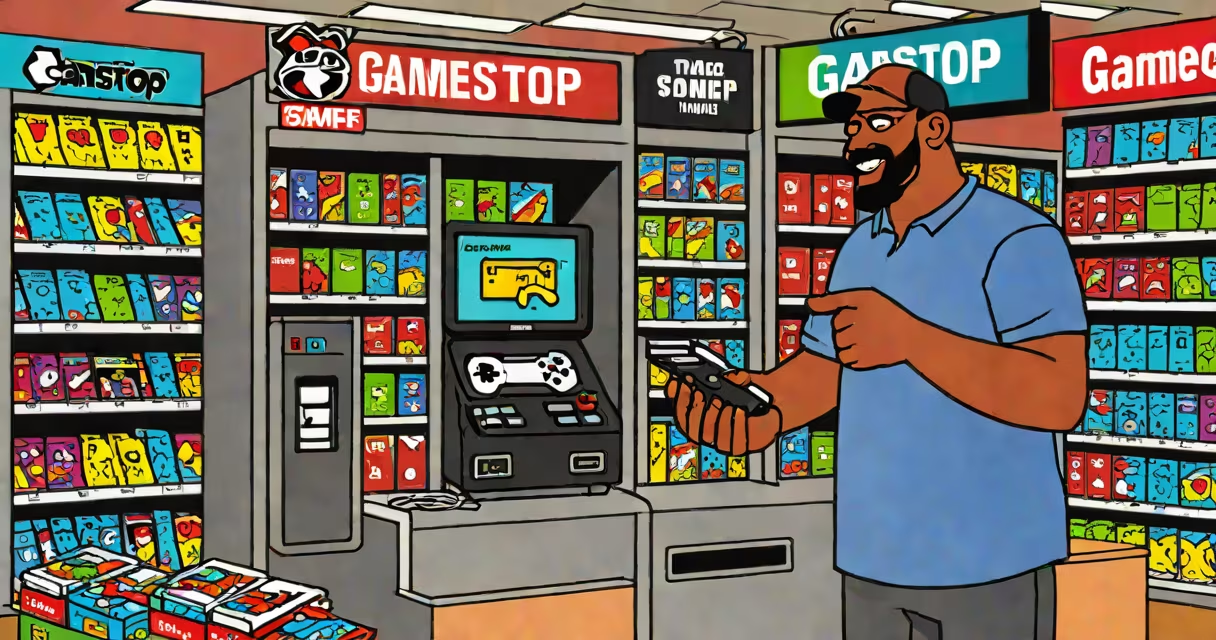
GameStop trade in value switch is a system that allows customers to exchange eligible used electronics-such as gaming consoles, handhelds, and older smartphones-for store credit, with the value determined by the device's model, condition, and current market demand.
The process begins when a customer brings a qualifying device to a GameStop store. A staff member evaluates the item using a standardized checklist covering physical condition, functionality, and completeness of accessories. Based on this assessment, the system assigns a trade-in value, which can be applied as store credit toward new purchases. This value is not fixed-it shifts based on supply, demand, and regional inventory needs.
For example, a PlayStation 4 in good working order with all original parts might receive $120 in store credit. The same model with visible scratches and missing controller could drop to $80. The difference reflects both wear and the store's internal valuation model, which prioritizes items likely to resell quickly.
How the system operates
When a customer arrives with a device, the associate uses a handheld scanner or tablet connected to GameStop's internal trade-in database. The system pulls up the device's entry based on serial number, model name, or barcode. It then prompts the employee to confirm key details: battery health, screen integrity, presence of original packaging, and whether the device powers on.
Each checkmark adds points. Missing components-like a charger or manual-subtract value. Devices with water damage or cracked screens typically receive no credit. The system auto-calculates a final offer, which the customer can accept or decline. If accepted, the transaction completes instantly, and the customer receives a digital receipt and store credit balance.
Value adjustments happen in real time. A Nintendo Switch with a minor scratch might be valued at $150 in January but only $120 in June due to seasonal shifts in demand. GameStop's internal algorithm tracks regional sales patterns and adjusts offers accordingly.
Types of devices eligible for trade-in
GameStop accepts a range of electronics under its trade-in program. The most common categories include:
| Device Type | Common Models | Typical Trade-In Range (USD) |
|---|---|---|
| Console | PlayStation 4, Xbox One, Nintendo Switch | $80-$200 |
| Handheld | PlayStation Vita, Nintendo 3DS, Game Boy Advance | $10-$60 |
| Smartphone | iPhone 8, Samsung Galaxy S9 | $20-$100 |
| Tablet | Apple iPad Air, Amazon Fire HD | $30-$150 |
Not all models qualify. For example, GameStop does not accept older systems like the Sega Dreamcast or Atari 2600 unless they're part of a special promotion. Devices with locked accounts or active service plans are also excluded.
Some items have limited availability. A PlayStation Vita in excellent condition may fetch $45 in a major city but only $25 in a rural location due to lower resale volume. The system adjusts based on local store traffic and buyer interest.
What people misunderstand about the trade-in value switch
Many assume the trade-in value is set by GameStop's corporate headquarters. In reality, the system is decentralized. Each store manager can adjust the offered value within a predefined range based on local inventory levels and customer demand. This means two stores in neighboring towns may offer different amounts for the same device.
A common mistake is thinking that trade-in value equals resale price. That's not accurate. GameStop buys devices at wholesale rates-typically 30-50% below retail. The trade-in offer is based on what the store expects to earn after refurbishing and reselling the item. A $100 trade-in offer doesn't mean the store will sell the device for $100. It may sell it for $150 after repairs.
Another misconception: that the value is fixed per model. It isn't. A PlayStation 4 Slim with 500GB storage might be worth $140 in May but $110 in October. The fluctuation correlates with holiday sales cycles and new product launches. When a new console drops, demand for older models drops sharply.
Real-world example: Trade-in value switch in action
I visited a GameStop in downtown Austin in early March 2024 with a used PlayStation 4 Pro. The console had a small scuff on the front panel, came with one DualShock 4 controller, and powered on normally. The staff member scanned the serial number and pulled up the profile.
He checked the screen for dead pixels, tested the disc drive, and confirmed the hard drive was functional. He noted the absence of a second controller and the lack of original packaging. After entering these details, the system displayed a trade-in offer of $135.
When I asked why it wasn't higher, he explained that the store had four PS4 Pros already in stock and only needed two more. Because demand was low, the offer was adjusted downward. He added that if I returned in two weeks, the value might rise slightly due to increased foot traffic during spring break.
After accepting, I received $135 in store credit. I used it later that week to buy a new copy of *Spider-Man 2* for $60 and a $20 gift card for extra games.
Related programs and alternatives
GameStop's trade-in system differs from manufacturer programs like Apple's trade-in or Samsung's upgrade program. Those often offer higher values because they refurbish devices themselves and sell them through official channels. GameStop, by contrast, relies on in-store sales and online auctions.
Understanding the mechanics behind GameStop trade in value switch helps avoid surprises. The value isn't arbitrary-it's based on real-time assessments, regional demand, and internal pricing thresholds. Knowing this reduces frustration and improves outcomes when exchanging older tech.