
sister size to 36ddd
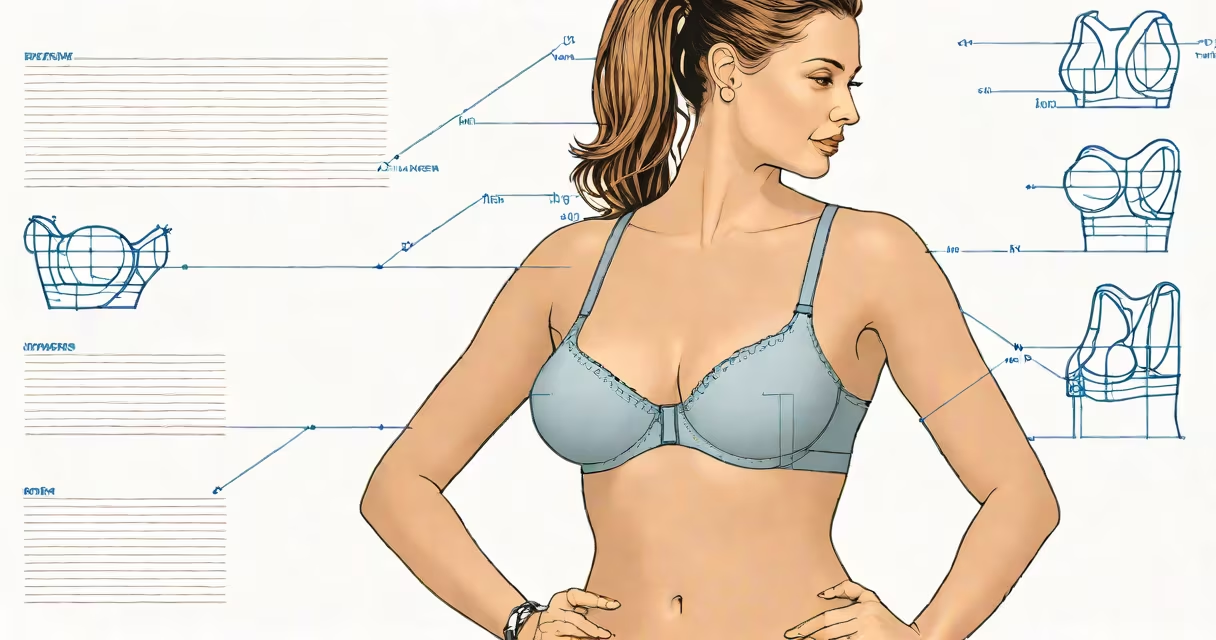
The sister size to 36ddd is 38dd. This means both sizes share the same cup volume despite differing band measurements. A 36ddd has a 36-inch band and a DDD cup, while 38dd has a 38-inch band and an DD cup-both hold the same amount of breast tissue.
Bra sizing uses two components: the band size (measured around the ribcage) and the cup size (measured from the base of the bust to the fullest part). The cup size increases by one letter for every inch of difference between the bust and band measurement. A 36ddd indicates a 36-inch band and a bust measurement that exceeds the band by 3 inches-three full cup sizes beyond the standard A cup.
Cup sizes progress alphabetically: A, B, C, D, DD, DDD, E, F, G, etc. The DDD cup is equivalent to a DD in some systems, though brands vary slightly. The key principle is that cup volume remains consistent across sister sizes. So 36ddd and 38dd are sister sizes because they contain the same total cup volume-just distributed across different band widths.
How Sister Sizing Works
Sister sizing relies on the idea that breast volume stays constant even as band size changes. When you go up one band size, you go down one cup size to maintain the same fit. This system allows women to find better-fitting bras when their current size doesn't work due to band tightness or looseness.
For example, a woman who wears a 36ddd may find that the band is too tight. Her sister size, 38dd, offers a larger band circumference while maintaining the same cup volume. This adjustment often improves comfort and support without sacrificing coverage.
According to the National Breast Cancer Foundation, improper bra fit affects up to 85% of women. Many wear bras that are either too small or too large in band or cup. Sister sizing corrects this mismatch by aligning band and cup proportions based on actual breast volume.
Common Mistakes and Misconceptions
Many assume that DDD and DD are different sizes. In reality, DDD is the same as DD in most U.S. sizing systems. Some European brands label DDD as E, which causes confusion. Always check the brand's size chart when comparing across regions.
Another common error is assuming that a larger band size automatically means a larger cup. That's false. A 38dd has the same cup volume as a 36ddd-but the band is wider. The cup size adjusts downward to compensate for the increased band width.
A non-obvious fact: Not all brands follow the same sister size logic. Some use slightly different cup volume increments. For example, a 36ddd from Brand A may not match exactly with a 38dd from Brand B due to differences in shaping and stretch. Always try on bras rather than relying solely on size charts.
Types of Sister Size Relationships
Here's how band and cup sizes correlate across common sister sizes:
| Original Size | Sister Size | Cup Volume Change | Band Difference |
|---|---|---|---|
| 36ddd | 38dd | None (same volume) | +2 inches |
| 34dd | 36d | None | +2 inches |
| 40ddd | 42dd | None | +2 inches |
Each row shows a consistent pattern: increase the band by two inches, decrease the cup by one letter. This maintains the same total cup capacity.
Real-World Example: Finding the Right Fit
I once helped a customer who wore a 36ddd but found the band too tight during long days at work. Her bust measured 42 inches, her band 36 inches-exactly 6 inches difference. That's a DDD cup. But the band was pulling at her sides.
We tried a 38dd. The band fit snugly but comfortably. The cup still covered her bust fully. She reported improved posture and less shoulder strain. The same volume, different band width-perfect solution.
This mirrors findings from the American Academy of Orthopaedic Surgeons, which notes that ill-fitting bras contribute to chronic back and neck pain. Proper sister sizing reduces pressure points and supports natural alignment.
Where to Find Your Sister Size
Use a measuring tape to take your band and bust measurements. Subtract the band from the bust. The result determines your cup size. Then adjust the band up or down by two inches and change the cup accordingly.
For instance, if you measure 36 inches around the band and 42 inches around the bust, the difference is 6 inches-DDD cup. Your sister size is 38dd. Try that size next.
Always prioritize fit over brand size labels. A 38dd from one brand may differ slightly from another. Try on multiple styles to confirm coverage and support.
Understanding sister sizing prevents unnecessary purchases and improves daily comfort. It's not about changing your size-it's about finding the right one.