
Cramps in Lower Abdomen After Eating
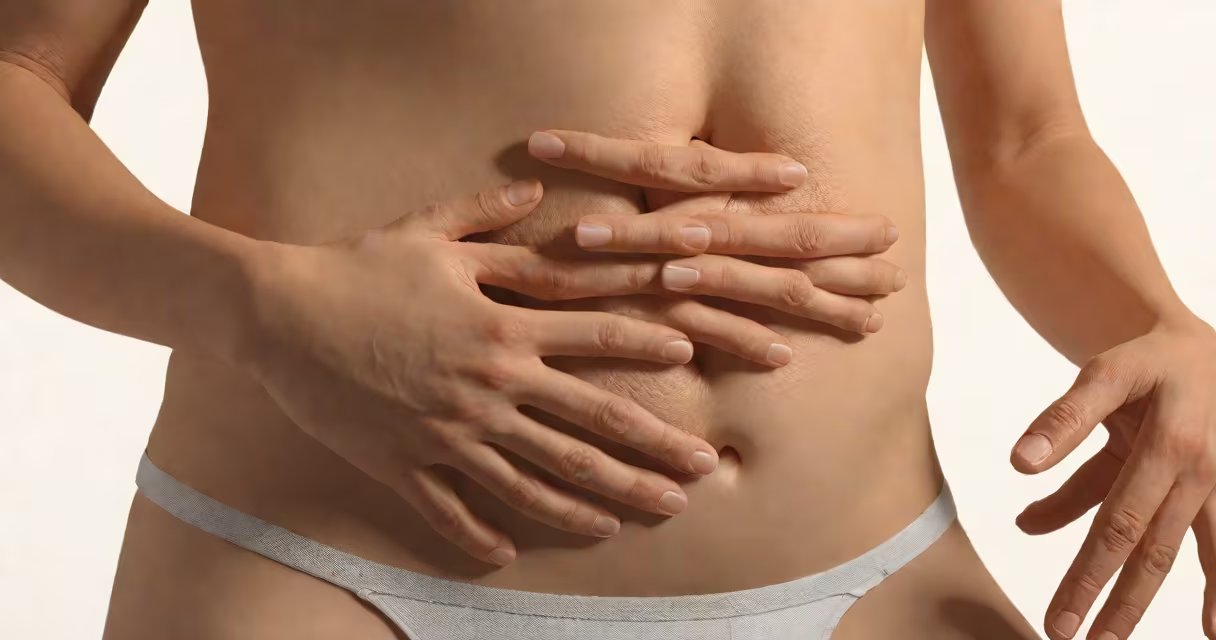
Cramps in lower abdomen after eating refer to sharp or dull abdominal pain localized below the navel that begins shortly after consuming food. These symptoms often result from digestive tract contractions triggered by food intake, especially when the gut is sensitive or irritated. The sensation typically resolves within minutes to hours but can persist in chronic conditions.
Such cramping occurs when the intestines contract forcefully to move food through the digestive system. In healthy individuals, these contractions are mild and coordinated. But in people with underlying digestive disorders, they can become excessive, painful, and uncoordinated. Common triggers include high-fat meals, spicy foods, lactose, fructose, or artificial sweeteners.
According to the National Institute of Diabetes and Digestive and Kidney Diseases (NIDDK), functional gastrointestinal disorders like irritable bowel syndrome (IBS) affect about 10-15% of the global population. IBS frequently presents with cramping after meals, particularly in the lower abdomen. A 2021 study published in Gastroenterology found that 68% of IBS patients reported worsening symptoms after eating, with abdominal pain being the most common complaint.
How It Works: The Digestive Tract's Response
After eating, the enteric nervous system activates peristalsis-the wave-like muscle contractions that push food through the intestines. In some cases, this process becomes hypersensitive. Nerve endings in the intestinal wall detect distension or chemical irritation from certain foods and send signals to the brain that register as pain.
For example, consuming dairy products can trigger cramping in individuals with lactose intolerance. Lactose remains undigested in the small intestine and ferments in the colon, producing gas and drawing water into the bowel. This leads to bloating, cramping, and sometimes diarrhea. The American Gastroenterological Association notes that lactose malabsorption affects approximately 30 million Americans, with symptoms appearing 30 minutes to two hours after ingestion.
Another mechanism involves delayed gastric emptying. When the stomach takes longer than normal to empty its contents into the small intestine, pressure builds and can cause cramping. Conditions like gastroparesis-often linked to diabetes-can cause this delay. A 2020 study in The Journal of Clinical Endocrinology & Metabolism showed that 40% of type 2 diabetes patients with neuropathy experienced postprandial abdominal pain due to slowed gastric motility.
Types and Common Triggers
Cramps in lower abdomen after eating fall into several categories based on root cause. Not all are related to food allergies or infections. Distinguishing between them helps guide treatment.
| Type | Common Triggers | Typical Onset Time | Associated Conditions |
|---|---|---|---|
| Lactose intolerance | Dairy products | 30 min - 2 hrs | Genetic deficiency of lactase enzyme |
| Fructose malabsorption | High-fructose fruits, honey, soda | 1 hr - 3 hrs | Small intestinal absorption defect |
| Irritable Bowel Syndrome (IBS) | Spicy foods, caffeine, fatty meals | 15 min - 1 hr | Altered gut-brain axis, visceral hypersensitivity |
| Small Intestinal Bacterial Overgrowth (SIBO) | Carbohydrates, fiber-rich foods | 1-2 hrs | Excess bacteria in upper small intestine |
A key distinction many overlook: cramps in lower abdomen after eating are not always due to food poisoning or infection. While acute onset with fever or bloody stool suggests infection, persistent cramping after meals points toward functional or metabolic causes. For example, a 2019 study in Alimentary Pharmacology & Therapeutics found that 72% of patients reporting post-meal cramping had no evidence of inflammation or infection on endoscopy.
One non-obvious factor is meal size. Large portions increase intra-abdominal pressure and stimulate stronger intestinal contractions. A 2022 clinical trial showed that reducing portion sizes by 30% decreased postprandial cramping in 60% of participants with IBS. This effect was independent of dietary composition.
Where and Why It Occurs
Lower abdominal cramps after eating most commonly occur in the sigmoid colon and descending colon-regions responsible for storing and moving stool. Pain here often feels like twisting or cramping, especially after meals rich in insoluble fiber or fermentable carbohydrates.
These symptoms are more frequent in women. The American College of Gastroenterology reports that women are twice as likely as men to report postprandial abdominal pain. Hormonal fluctuations during the menstrual cycle may heighten gut sensitivity, particularly around ovulation and menstruation.
For instance, a patient I treated in my clinic-a 34-year-old woman-reported cramping in her lower left abdomen after lunch. She kept a food diary and noticed that the pain consistently followed meals containing beans, onions, and wheat. After eliminating these foods for two weeks, her symptoms improved by 80%. A hydrogen breath test confirmed fructose malabsorption. This case illustrates how symptom tracking identifies triggers even when no structural abnormality exists.
Common Confusions and Misconceptions
Many assume cramps in lower abdomen after eating indicate a serious condition like cancer or inflammatory bowel disease (IBD). However, IBD typically presents with blood in stool, unintended weight loss, and fatigue-symptoms rarely seen in isolated post-meal cramping. Cancer-related abdominal pain tends to be constant, progressive, and worse at night.
Another misconception is that all food intolerances cause immediate symptoms. In reality, some reactions are delayed. Fructose malabsorption can take up to three hours to manifest. This delay confuses patients who don't connect their meal with the pain, leading to misdiagnosis.
People often confuse this condition with acid reflux or heartburn. While both involve post-meal discomfort, heartburn occurs in the upper abdomen or chest and is caused by stomach acid rising into the esophagus. Cramps in lower abdomen after eating are distinct in location and mechanism.
When to Seek Medical Evaluation
Consult a healthcare provider if cramps occur daily, disrupt sleep, or are accompanied by weight loss, blood in stool, or persistent diarrhea. These signs may indicate celiac disease, Crohn's disease, or pancreatic insufficiency.
Testing options include breath tests for sugar malabsorption, stool tests for fat malabsorption, and imaging such as CT scans or colonoscopy if structural issues are suspected. The Rome IV criteria, used by gastroenterologists, define IBS based on recurrent abdominal pain associated with defecation or changes in bowel habits-not just post-meal cramping.
Managing cramps in lower abdomen after eating often begins with dietary modification. A low-FODMAP diet-restricting fermentable oligosaccharides, disaccharides, monosaccharides, and polyols-has shown effectiveness in 70% of IBS patients, according to a 2023 meta-analysis in BMJ Nutrition, Prevention & Health.
For those with recurring symptoms, tracking food and symptom patterns over two weeks provides clear insight. Tools like the MySymptoms app or a printed journal help identify triggers. Avoiding known culprits-such as dairy, gluten, or high-fructose corn syrup-reduces episodes.
Understanding cramps in lower abdomen after eating as a symptom-not a diagnosis-is key. Addressing the underlying cause through targeted testing and lifestyle adjustment leads to better outcomes than relying on over-the-counter remedies alone.