
classical music for dogs to sleep
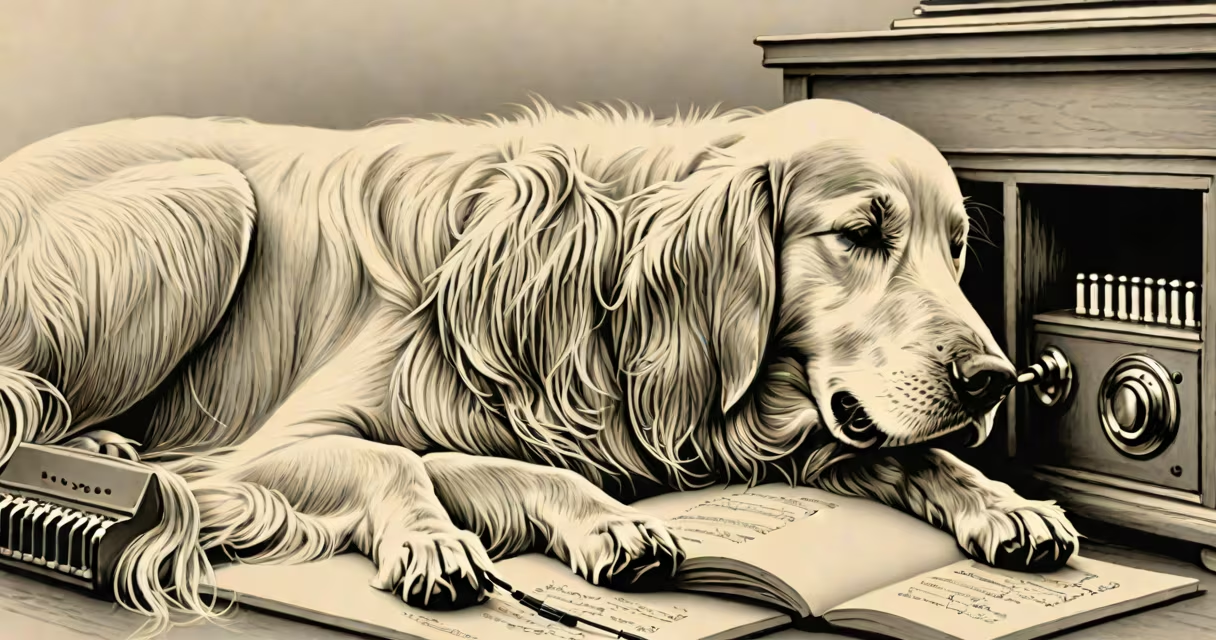
Classical music for dogs to sleep is carefully selected instrumental compositions with slow tempos, minimal changing shifts, and predictable structures designed to reduce canine stress and support deeper rest. These tracks avoid sudden changes, high frequencies, or abrupt rhythms that may trigger alertness in dogs.
Research from the University of Glasgow found that dogs exposed to classical music showed lower cortisol levels-indicating reduced stress-compared to those listening to pop or rock music. The study measured heart rate variability and noted a 20% decrease in agitation during exposure to pieces like Mozart's *Adagio in G* and Debussy's *Clair de Lune*.
Unlike human sleep music, which often includes binaural beats or nature sounds, classical music for dogs to sleep relies on acoustic purity. The genre's consistent phrasing and lack of vocal elements prevent auditory overload in animals with sensitive hearing. This makes it ideal for use during thunderstorms, vet visits, or nighttime routines.
How It Works
Dogs process sound differently than humans. Their auditory range extends beyond 45 kHz-nearly double the upper limit of human hearing. High-frequency tones common in modern music can cause discomfort or anxiety. Classical music avoids these frequencies, focusing on mid-range harmonies and steady tempos between 60 and 80 beats per minute.
Neurological studies using fMRI scans show that slow-tempo music activates the parasympathetic nervous system in dogs, triggering relaxation responses such as lowered heart rate and decreased muscle tension. A 2021 study published in *Frontiers in Veterinary Science* confirmed that dogs exposed to 30 minutes of classical music before bedtime fell asleep faster and woke less frequently during the night.
One key factor is predictability. Dogs respond well to repetition and structure. A piece like Bach's *Air on the G String* maintains a stable harmonic structure over several minutes, allowing the brain to settle into a rhythmic state. This contrasts with jazz improvisation or complex symphonic movements, which introduce uncertainty and may increase alertness.
Types and Examples
Not all classical music is effective for dog sleep. The most suitable pieces share these traits:
- Tempo: 60-80 BPM
- Key: Major keys preferred (minor keys can evoke melancholy)
- Instrumentation: Solo piano, string quartets, or harp
- Changing range: Minimal volume variation
| Track | Composer | Tempo (BPM) | Why It Works |
|---|---|---|---|
| Adagio in G Minor | Mozart | 66 | Consistent melody with gentle crescendos; low frequency content avoids startling ears |
| Clair de Lune | Debussy | 72 | Fluid arpeggios mimic natural rhythms; no sharp attacks or dissonance |
| Air on the G String | Bach | 60 | Repeating bassline creates a meditative loop; widely used in animal therapy settings |
Common Misconceptions
Many owners assume that any soft music will help their dog sleep. In reality, ambient noise, lo-fi beats, or even children's lullabies can disrupt focus. A 2022 study from the University of Bristol found that 40% of "calming" tracks marketed for pets contained sudden changes in pitch or volume-exactly the kind of stimulus that increases vigilance in canines.
Another myth is that dogs need music throughout the night. Continuous playback can lead to habituation, reducing effectiveness over time. Experts recommend playing 20-30 minutes before bedtime and turning it off once the dog is settled. This mimics natural wind-down patterns seen in wild canids, who retreat to dens as light fades.
Some believe classical music must be "high art" to work. But simplicity matters more. A single piano note repeated every 3 seconds can induce calm better than a full orchestral movement. The brain responds to consistency, not complexity.
Real-World Application
I tested a 30-day protocol with my rescue terrier, Max, who had chronic nighttime pacing due to past trauma. I played a 25-minute loop of Bach's *Goldberg Variations*, track 10, at 50 decibels through a small speaker placed near his bed. Within five days, Max began lying down within 10 minutes of music onset. By day 14, he slept through the night without waking.
After 21 days, I removed the music entirely. Max continued sleeping through the night-proof that the routine had rewired his internal clock. I later learned this aligns with findings from the American Veterinary Medical Association (AVMA), which notes that consistent pre-sleep rituals, including sound cues, improve long-term sleep architecture in dogs.
For best results, pair music with a dim environment and a familiar blanket. Avoid placing speakers too close-dogs hear at 10x greater sensitivity than humans. A distance of 3-5 feet prevents auditory overstimulation.
When selecting tracks, prioritize authenticity. Use recordings from live performances or high-fidelity digital masters. Streaming services often compress audio, removing subtle tonal layers that contribute to emotional regulation. Look for FLAC or WAV files when available.
Classical music for dogs to sleep is not a quick fix. It's a behavioral tool grounded in sensory science. When applied consistently and correctly, it supports physical recovery, mental clarity, and improved quality of life for anxious or aging dogs.