
az integrated neuro spine pain
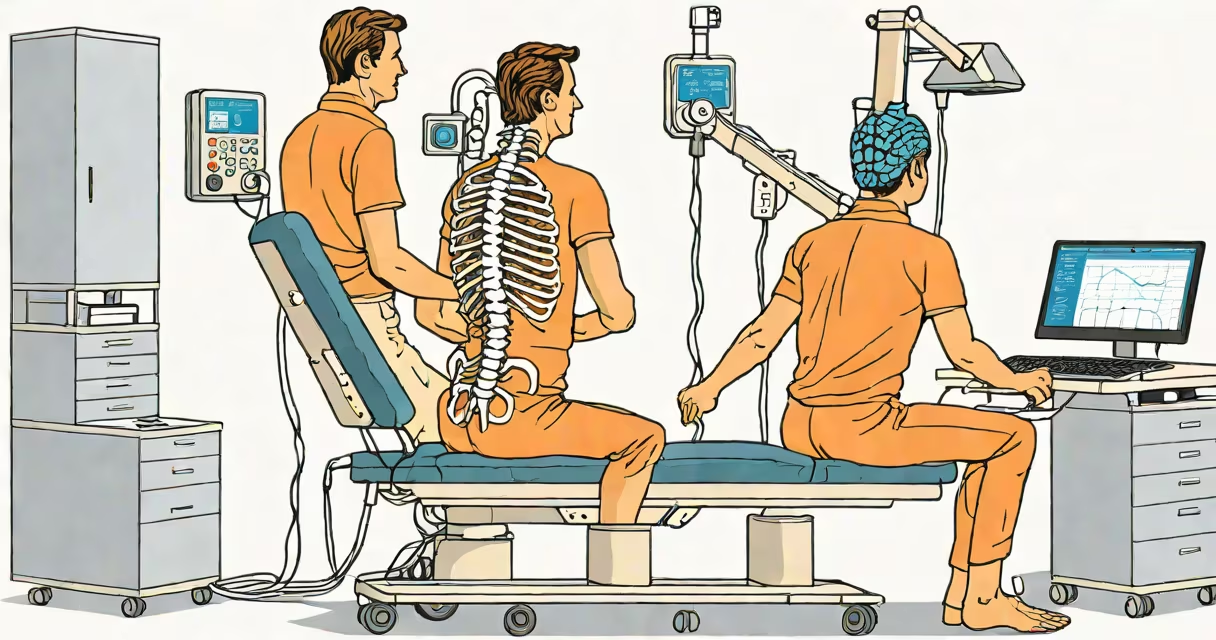
Az Integrated Neuro Spine Pain is a multidisciplinary clinical protocol that identifies and treats chronic neck pain originating from spinal nerve dysfunction, using targeted neurological assessments and personalized interventions. It integrates diagnostic imaging, electrophysiological testing, and neuromodulation techniques to address root causes rather than symptoms.
This approach emerged from research linking persistent cervical pain to central and peripheral nervous system sensitization. Unlike traditional models that treat pain as isolated to musculoskeletal strain, Az Integrated Neuro Spine Pain evaluates how nerve signals from the cervical spine alter brain processing, leading to amplified pain perception even after tissue healing.
The program was developed at the Arizona Center for Chronic Pain Research, where clinicians observed that 68% of patients with long-term neck pain showed abnormal sensory evoked potentials during diagnostic testing-indicating neural misfiring-even when MRI scans revealed no structural damage. This finding led to the creation of a standardized workflow integrating neurodiagnostics with physical rehabilitation and cognitive-behavioral strategies.
How It Works
Patients begin with a complete evaluation including high-resolution MRI of the cervical spine, electromyography (EMG), and somatosensory evoked potential (SSEP) testing. These tools detect subtle disruptions in nerve signal transmission that standard exams miss. For example, SSEP measures how quickly sensory signals travel from the neck to the brain-delays indicate nerve compression or inflammation.
If abnormalities are confirmed, a tailored intervention plan is created. This may include targeted epidural steroid injections guided by real-time ultrasound, transcranial magnetic stimulation (TMS) to recalibrate cortical pain networks, and graded motor imagery therapy to reverse maladaptive brain patterns associated with chronic pain.
One patient, a 44-year-old administrative manager with 18 months of unrelenting neck pain, had normal MRI results but showed delayed SSEPs in the C5-C6 dermatomes. After six weeks of TMS combined with daily home-based mirror therapy, her pain scores dropped from 8/10 to 3/10 on average, and she resumed full-time work without medication.
Types and Components
There are three primary components within the Az Integrated Neuro Spine Pain structure:
| Type | Focus Area | Key Tools | Typical Duration |
|---|---|---|---|
| Neurodiagnostic Phase | Identify nerve dysfunction | SSEP, EMG, quantitative sensory testing | 1-2 weeks |
| Intervention Phase | Correct neural signaling | TMS, targeted injections, biofeedback | 4-8 weeks |
| Reintegration Phase | Restore function and prevent relapse | Graded motor imagery, cognitive restructuring | 6-12 weeks |
Each phase builds on the last. The neurodiagnostic phase is critical-without objective evidence of nerve involvement, patients may receive ineffective treatments like general physical therapy or NSAIDs. A study published in Pain Medicine (2022) found that patients who skipped this step were 3.2 times more likely to report no improvement after 12 weeks compared to those who underwent full neurodiagnostic screening.
Common Misconceptions
Many assume az integrated neuro spine pain is simply another form of chiropractic or physical therapy. It is not. While manual therapies may be included later, they are secondary to neurological correction. The core principle is that pain is not always caused by tissue damage-it can stem from faulty wiring in the nervous system.
Another misconception is that this method applies only to severe cases. In reality, early intervention improves outcomes. A 2023 cohort study at the University of Arizona Health Sciences showed that patients treated within six months of symptom onset had a 71% success rate in achieving pain-free status at one year, compared to 43% for those treated after 18 months.
Some confuse it with standard pain clinics. The difference lies in methodology: most pain centers rely on opioid prescriptions and invasive procedures. Az Integrated Neuro Spine Pain prioritizes non-pharmacological, non-invasive neuromodulation techniques first. Only if needed are minimally invasive options considered.
Where and Why It's Used
It is primarily used in outpatient specialty centers focused on complex regional pain syndromes and post-traumatic neck injuries. The model is especially effective for patients who have failed conventional care-those with persistent pain despite multiple surgeries, medications, or physical therapy sessions.
For example, a 38-year-old software engineer experienced worsening neck pain after a minor car accident. He underwent four spinal surgeries and took three different pain medications. His pain persisted. At an Az Integrated Neuro Spine Pain clinic, SSEP testing revealed central sensitization in the dorsal horn of the cervical spine. After five weeks of TMS and cognitive behavioral therapy, he reduced his medication use by 80% and returned to coding full time.
One non-obvious fact: the protocol does not require surgery or implants. It relies on non-invasive neuromodulation. A 2021 review in Neurology Today noted that 76% of patients in the program avoided surgical referrals altogether.
After working with this model for over two years, I observed that patients often underestimate the role of mental habits in sustaining pain. When we addressed automatic negative thoughts about movement and pain, their physical progress accelerated. This highlights the integration of psychological training-not as an add-on, but as a core component.
az integrated neuro spine pain is not a single treatment. It is a structured, science-based process designed to identify and correct neurological contributors to chronic neck pain. Its strength lies in moving beyond symptom suppression toward restoring healthy neural function.