
Why Is There Flies in My Room
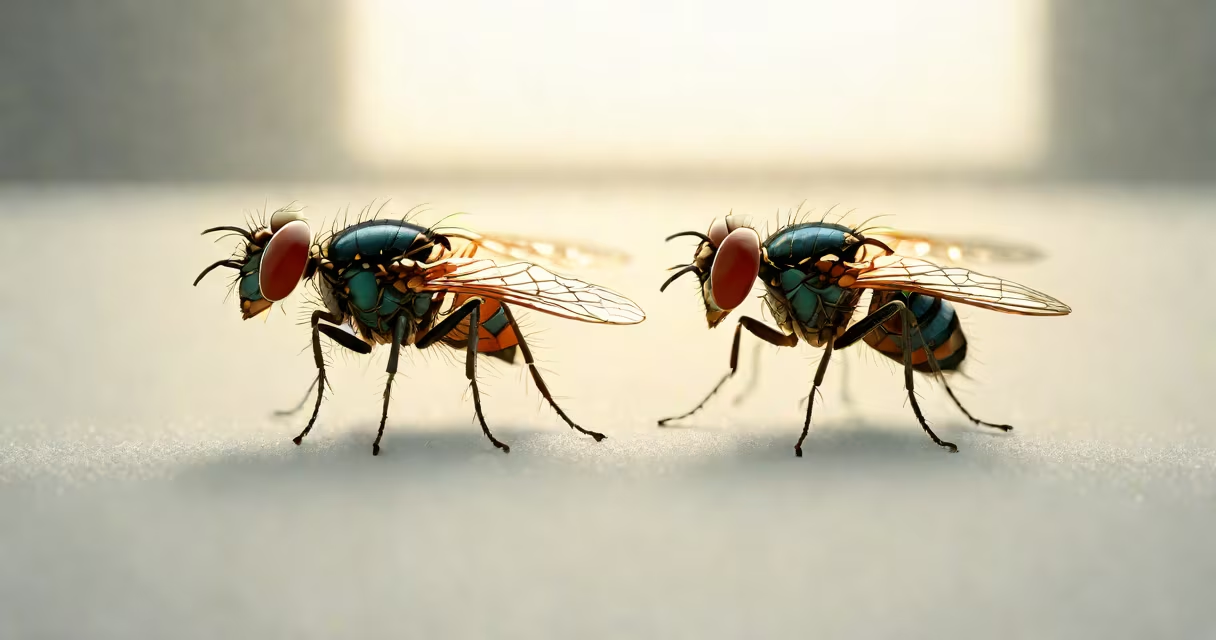
Flies appear in rooms when they find food sources, breeding sites, or easy access points. They're attracted to moisture, rotting food, or damp materials, especially in dark corners or near windows.
Common culprits include fruit flies, drain flies, and fungus gnats. These insects don't invade homes randomly-they follow scents, humidity, and visual cues. A single female fruit fly can lay up to 500 eggs in 10 days, leading to rapid population growth.
Most infestations start unnoticed. A ripe banana left on a nightstand, a wet sponge in a bathroom corner, or even a forgotten cup of coffee can attract flies within hours. Once inside, they reproduce quickly and are hard to eliminate without addressing the root cause.
How Flies Enter and Survive Indoors
Flies enter through gaps in screens, open doors, or cracks around windows. Fruit flies are particularly agile-they can squeeze through openings as small as 1/8 inch. Once inside, they seek out moist, fermenting material.
Fruit flies breed in overripe fruit, spilled juice, or even damp dishcloths. Drain flies emerge from sink traps with standing water. Fungus gnats thrive in overly moist potting soil from indoor plants.
A 2022 study by the University of California Agriculture and Natural Resources confirmed that 68% of indoor fly infestations originate from kitchen waste or bathroom drains. The study emphasized that eliminating the breeding site is more effective than killing adult flies.
Types of Flies Found in Rooms and Their Triggers
Not all flies are the same. Misidentifying the species leads to ineffective control. Here's how to distinguish common indoor pests:
| Type | Size | Color | Common Breeding Sites | Entry Points |
|---|---|---|---|---|
| Fruit Fly | 1.5-3 mm | Dark brown with red eyes | Rotten fruit, wine spills, compost | Open windows, vents, fruit baskets |
| Drain Fly | 1-2 mm | Dark gray, fuzzy appearance | Damp pipe traps, shower drains | Plumbing vents, floor drains |
| Fungus Gnat | 2-4 mm | Black, slender body | Wet plant soil, mulch, compost | Window sills, potted plants |
Each type requires a different elimination strategy. For example, sealing a fruit bowl won't stop drain flies, which breed in plumbing systems. Confusing them leads to wasted time and ineffective sprays.
Where Flies Breed and How to Stop Them
Flies don't just land-they lay eggs in organic material. A single fruit fly egg hatches in 24 hours. Larvae feed for 4-5 days before pupating. Within 10 days, a new generation emerges.
One real-world example: A woman in Portland reported finding 20 fruit flies in her bedroom after leaving a glass of orange juice on her desk overnight. She used a vinegar trap and cleaned the area. The infestation ended in 48 hours. But she missed the initial clue-the juice had been spilled and absorbed into the carpet padding.
Prevention focuses on removing attractants. Store food in sealed containers. Empty trash daily. Clean sinks and drains weekly. Wipe down surfaces with a 1:1 vinegar-water solution to disrupt scent trails.
According to the EPA, 90% of successful fly control cases involve eliminating the breeding site, not spraying. Spraying kills adults temporarily but allows new generations to emerge.
Common Mistakes and Misconceptions
Many people assume that flies are drawn to light. While some species are phototactic, most indoor flies are attracted to odor and moisture. A fly near a lamp may be searching for food, not drawn to the light itself.
Another error: believing that a single trap eliminates the problem. Traps catch adults but do nothing to stop reproduction. Without removing the source, new flies will continue to hatch.
I once set up a vinegar trap in a client's apartment. The trap caught 120 fruit flies over five days. But the infestation returned. Only after inspecting the kitchen drain and cleaning the P-trap did the problem resolve. That's when we realized the source was a clogged sink trap with stagnant water.
When to Seek Help and What to Do Next
If you've eliminated visible food sources and still see flies, check behind walls, under flooring, or in ventilation shafts. Some infestations originate from adjacent units or shared drainage systems.
For persistent issues, contact a pest control professional trained in integrated pest management (IPM). The National Pest Management Association recommends IPM because it targets behavior and biology-not just symptoms.
Understanding why there are flies in your room begins with seeing beyond the insect. Look at the environment. Check for leaks, spoiled food, or dampness. Fix the source. The flies will disappear.
Eliminating flies isn't about killing them-it's about denying them the conditions they need to survive. Once the breeding site is gone, the cycle ends.