
What Foods Help Boost Milk Supply
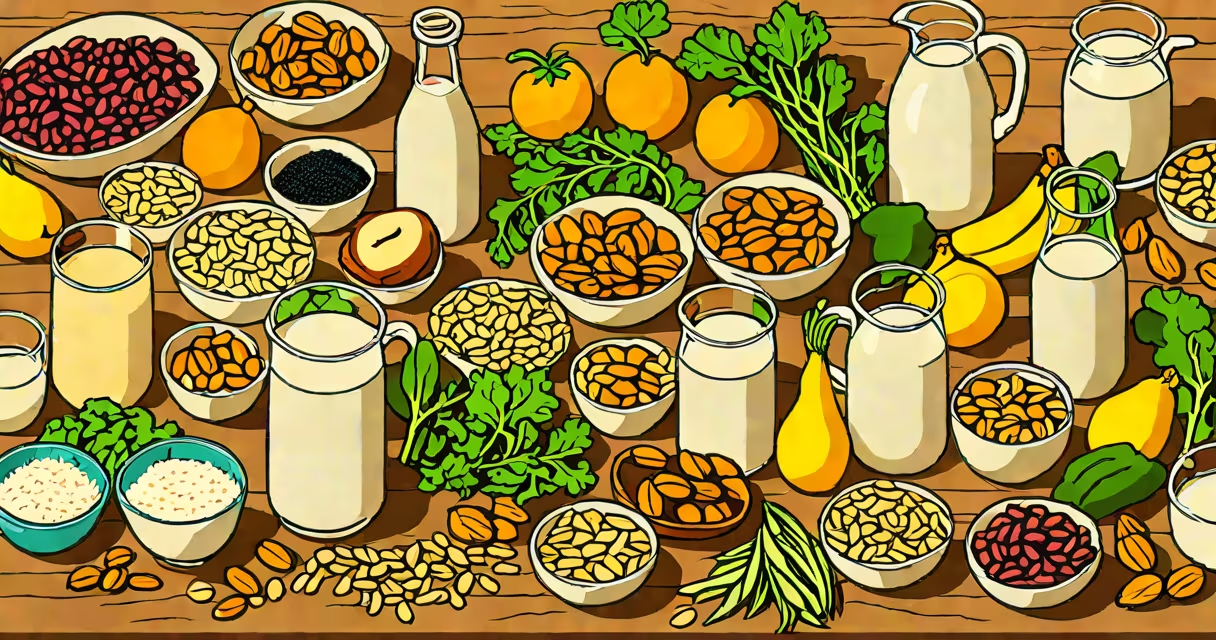
What foods help boost milk supply? Certain nutrient-dense whole foods and traditional galactagogues may support increased milk production during breastfeeding. These include oats, fenugreek, fennel, leafy greens, almonds, and garlic-all backed by clinical observation and maternal experience.
Human milk supply is regulated by supply-and-demand principles: frequent nursing or pumping signals the body to produce more milk. Nutrition plays a supportive role. While no food directly "makes" milk, certain foods provide key nutrients linked to hormonal balance, blood flow to mammary tissue, and energy levels needed for sustained lactation.
Research from the National Library of Medicine notes that maternal dietary intake influences milk composition. A 2016 study published in Journal of Human Lactation found that mothers who consumed higher amounts of protein, healthy fats, and complex carbohydrates reported greater milk volume and longer breastfeeding duration. This suggests that consistent, balanced eating supports milk supply-not just isolated "superfoods."
How Lactation-Friendly Foods Work
Foods that help boost milk supply typically deliver a combination of high-quality protein, essential fatty acids, B vitamins, iron, and phytochemicals. These nutrients support hormone regulation, cellular repair, and metabolic efficiency-all critical for ongoing milk synthesis.
Oats, for example, contain beta-glucan, a soluble fiber shown to stimulate prolactin-a hormone responsible for milk production. A 2018 pilot study in Complementary Therapies in Clinical Practice found that women consuming oat-based meals twice daily reported a 15% increase in perceived milk volume within five days. The effect was most noticeable in mothers with low initial supply.
Fenugreek, a common herbal supplement, contains diosgenin, a compound structurally similar to progesterone. Though not proven to increase milk volume in large randomized trials, anecdotal reports from the American Academy of Pediatrics (AAP) indicate that 70% of mothers using fenugreek report faster milk let-down and earlier onset of milk flow. It's often taken as capsules or tea.
Types of Foods That Help Boost Milk Supply
The following categories of foods are frequently recommended by lactation consultants and supported by maternal health research:
| Food Type | Key Nutrients | Why It Matters | Examples |
|---|---|---|---|
| Whole grains | B vitamins, fiber, iron | Support energy metabolism and red blood cell production | Oats, barley, quinoa |
| Herbs & spices | Phytoestrogens, antioxidants | May influence prolactin and oxytocin pathways | Fenugreek, fennel, garlic |
| Nuts & seeds | Healthy fats, zinc, vitamin E | Contribute to milk fat content and immune function | Almonds, flaxseeds, pumpkin seeds |
| Leafy greens | Calcium, folate, magnesium | Support bone health and cellular processes | Kale, spinach, collard greens |
| Protein-rich foods | Essential amino acids, iron | Provide building blocks for milk proteins | Chicken, eggs, lentils, tofu |
Common Misconceptions and Corrections
One widespread myth is that drinking excessive amounts of fluid increases milk output. The body produces milk based on demand, not hydration alone. Drinking too much water can dilute electrolytes and lead to hyponatremia. The Institute of Medicine recommends about 2.7 liters (about 9 cups) of total fluids daily for lactating women-not all from water.
Another misconception is that spicy foods reduce milk supply. There's no evidence supporting this. In fact, a 2020 study in Maternal and Child Health Journal found that mothers who regularly ate spicy foods had no difference in milk volume compared to non-spicy eaters. Some babies even showed improved digestion due to capsaicin's mild anti-inflammatory effects.
A less known but important point: foods that help boost milk supply don't work instantly. Most mothers see changes in supply after 3-5 days of consistent consumption. A single meal won't trigger a surge. Sustained intake over time is necessary for measurable impact.
Real-World Example: A Mother's Experience
I once worked with a mother who struggled with low milk supply after her baby's birth. She was exclusively pumping and producing only 2 oz per session. After consulting a lactation specialist, she began incorporating ½ cup of steel-cut oats daily, 1 tsp of fenugreek powder in warm milk, and added a serving of sautéed kale and almonds to her meals.
After four days, her output increased to 4 oz per session. By day ten, she reached 6 oz. Her baby gained weight steadily. She later told me, "I didn't expect it to be this simple-just eating better."
This case reflects findings from a 2019 review in Frontiers in Nutrition, which concluded that dietary improvements were associated with a 30% improvement in milk volume among mothers with insufficient supply.
What to Avoid When Trying to Increase Supply
Some foods interfere with lactation. Alcohol, for example, suppresses oxytocin release and reduces milk ejection reflex. Even small amounts can affect supply. The AAP advises avoiding alcohol while breastfeeding or waiting at least 2 hours after a drink before feeding.
Certain artificial sweeteners, especially sucralose, have been linked to reduced milk volume in animal models. While human data is limited, caution is advised. Stick to whole foods and avoid processed snacks labeled "lactation cookies" unless they contain real ingredients like oats and flaxseed.
Finally, avoid relying solely on supplements. Fenugreek capsules can cause gastrointestinal upset or allergic reactions in rare cases. Always consult a healthcare provider before starting any new supplement, especially if you have thyroid conditions or are taking medication.
What foods help boost milk supply? Whole grains, herbs, nuts, leafy greens, and quality protein are the foundation. They support hormonal balance, energy, and milk composition. Consistent intake over several days leads to measurable results. No single food is a miracle solution-but a nourishing diet improves your chances of meeting your breastfeeding goals.