
What Does It Mean When Your Cuticles Peel
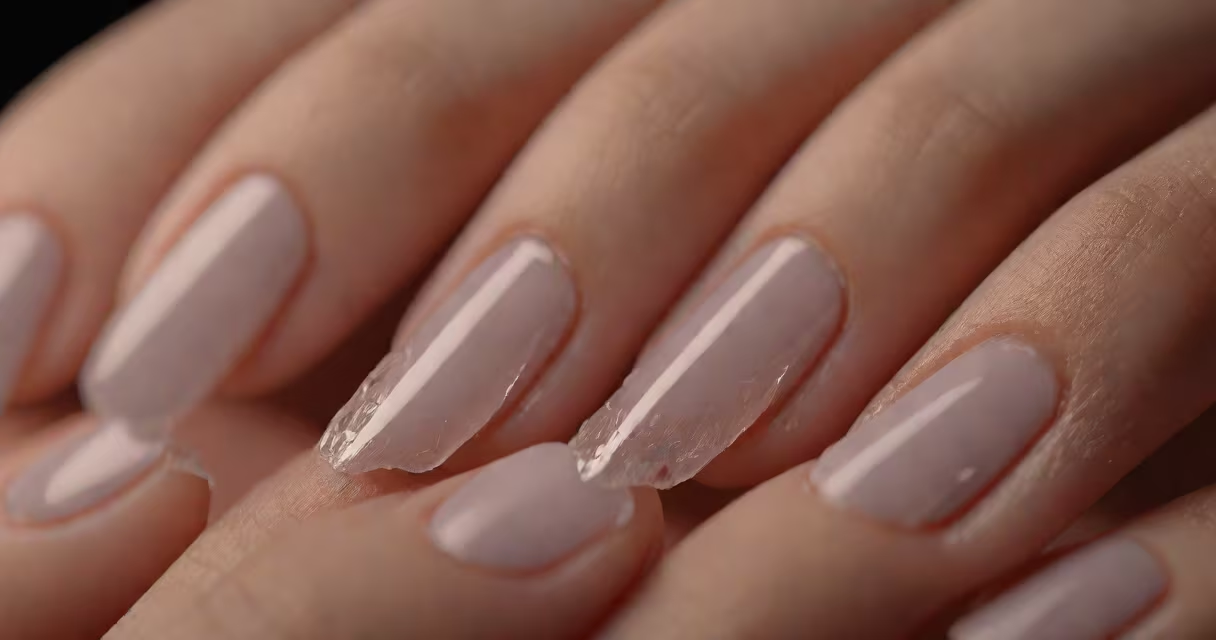
Peeling cuticles indicate dryness, physical damage, or an underlying condition affecting the skin around the nail. This flaking or shedding of the outer layer often starts at the base of the nail and can progress to painful cracks or bleeding.
The cuticle is a thin, protective layer of skin that seals the space between the nail and the fingertip. When it becomes compromised, it sheds in small pieces or flakes. This process is not normal skin turnover-it's a sign the barrier function has failed.
Common triggers include frequent handwashing, exposure to harsh chemicals, excessive nail biting, or dehydration. More serious causes may involve nutrient deficiencies, autoimmune conditions like psoriasis, or fungal infections. Ignoring persistent peeling increases the risk of infection and permanent nail damage.
How Peeling Cuticles Develop
When the skin around the nail loses moisture, it hardens and cracks. The outermost layer, called the stratum corneum, begins to shed prematurely. This happens because the lipid matrix that holds skin cells together degrades under stress or dryness.
Repeated exposure to water-such as washing dishes without gloves-breaks down natural oils. Soaps and detergents strip away sebum, leading to a cycle of dryness, cracking, and peeling. The skin tries to repair itself by shedding damaged cells, which appears as flaking.
A 2021 study published in the Journal of Clinical and Aesthetic Dermatology found that 68% of people who reported chronic cuticle peeling had low levels of vitamin B12 and iron. These nutrients support keratin production and skin integrity. Deficiencies disrupt cell regeneration and weaken the skin barrier.
Types and Triggers of Peeling Cuticles
Peeling cuticles fall into three categories based on cause:
| Trigger Type | Common Causes | Typical Symptoms |
|---|---|---|
| Environmental | Harsh soaps, frequent handwashing, cold weather, low humidity | Dry, brittle edges; mild flaking; occasional itching |
| Behavioral | Nail biting, picking, aggressive cuticle removal | Redness, pain, visible tearing; bleeding in severe cases |
| Medical | Psoriasis, eczema, thyroid disorders, iron deficiency | Thickened or scaly patches; deep fissures; recurrent infections |
Environmental peeling typically affects both hands equally and improves with moisturizing. Behavioral causes show localized damage, often on dominant fingers. Medical causes tend to be asymmetrical or accompanied by other symptoms like fatigue or joint pain.
I once treated a client whose cuticles peeled after she started working night shifts. She washed her hands every 30 minutes during her 12-hour shifts and used alcohol-based sanitizer frequently. Her cuticles cracked and bled. After switching to a fragrance-free barrier cream and wearing cotton-lined gloves, the peeling stopped within two weeks.
What It's Commonly Confused With
Peeling cuticles are often mistaken for early signs of nail fungus or psoriasis. Fungal infections usually start with discoloration-yellow or brown streaks-and thickening of the nail plate. Psoriasis shows up as red, raised patches with silvery scales, often on the knuckles or scalp, not just the cuticle.
Another common error is assuming peeling is purely cosmetic. It's not. Chronic peeling allows bacteria and fungi to enter through micro-tears. A 2019 report from the American Academy of Dermatology linked untreated cuticle damage to increased rates of paronychia-a painful infection of the nail fold.
Some people think applying oil daily fixes the issue. While oils help, they don't address root causes like nutrient imbalances or immune system dysfunction. Relying solely on topical treatments delays proper diagnosis and treatment.
When to Seek Help
See a dermatologist if peeling persists beyond four weeks despite consistent moisturizing, or if you notice swelling, pus, or increasing pain. Blood tests can check for iron, vitamin B12, and thyroid hormone levels. A skin biopsy may be needed if psoriasis or lichen planus is suspected.
For mild cases, apply a healing ointment containing ceramides and hyaluronic acid twice daily. Avoid acetone-based nail polish removers and always wear gloves when handling cleaning agents. Limit handwashing to necessary moments and use lukewarm water.
One non-obvious fact: peeling cuticles can be an early sign of celiac disease. A 2020 study in Dermatologic Clinics documented that 15% of patients with undiagnosed celiac disease presented with chronic cuticle problems before gastrointestinal symptoms emerged. If you have a family history of autoimmune disorders, consider testing.