
What Can You Do With Green Tomatoes
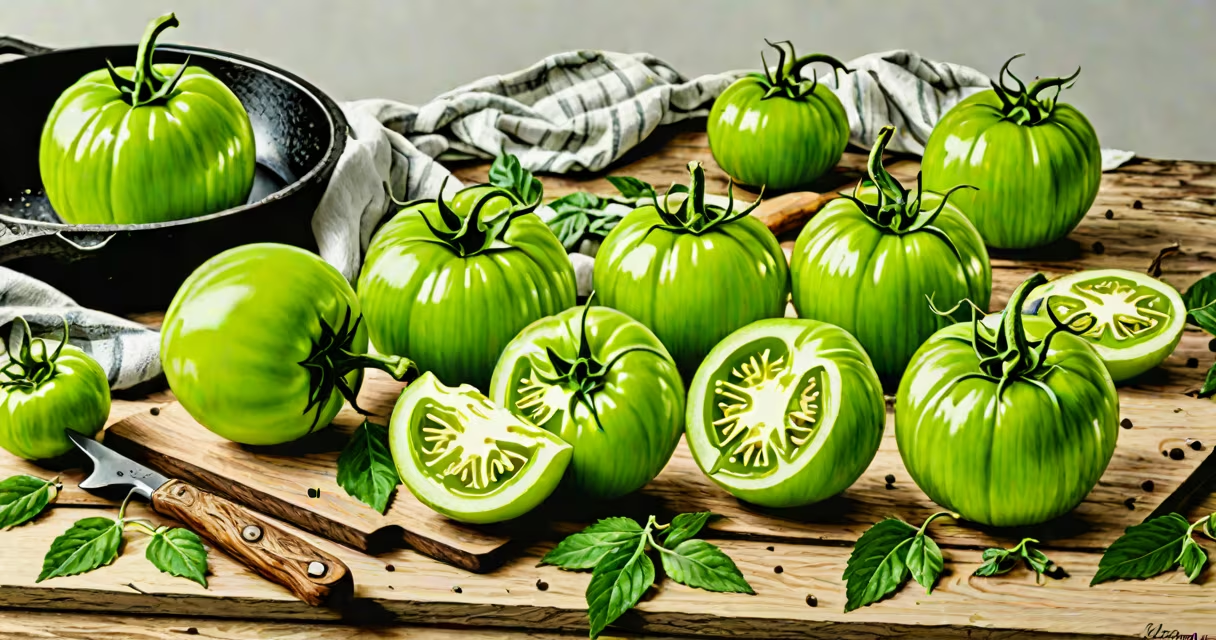
Green tomatoes are unripe fruit from the tomato plant, typically harvested before the red ripening stage. They have firm flesh, high acidity, and a tart flavor, making them ideal for frying, pickling, stewing, and baking. Unlike ripe tomatoes, they lack sweetness and require cooking to soften their texture.
Green tomatoes are not a separate species-they're simply immature versions of common tomato varieties like Brandywine or Cherokee Purple. Their color ranges from pale yellow-green to deep olive, depending on the cultivar. The most common commercial variety used in cooking is the 'Cherokee Purple' green tomato, known for its dense flesh and balanced tang.
They're widely used in Southern U.S. cuisine, especially in states like Georgia, Alabama, and Tennessee. According to the USDA, green tomatoes are rich in vitamin C (14 mg per 100g), potassium (235 mg), and lycopene precursors, though less concentrated than ripe tomatoes. The American Heart Association notes that cooking green tomatoes reduces oxalic acid levels slightly, improving mineral absorption.
How Green Tomatoes Work in Cooking
When heated, green tomatoes undergo a structural shift. Pectin breaks down, softening the cell walls. Acids like malic and citric acid reduce in concentration, mellowing the sourness. This transformation allows them to absorb flavors well-especially in batters, marinades, and sauces.
For frying, the surface starches gelatinize under oil heat (around 350°F/175°C), forming a crisp crust. A double-dip method-coating in flour, then egg wash, then breadcrumbs-creates a thicker, crunchier layer. The Maillard reaction occurs rapidly on the surface, producing complex flavor compounds.
When pickled, green tomatoes release moisture and absorb vinegar, salt, and spices. Lactofermentation, used in traditional Eastern European methods, introduces probiotics. A 2021 study published in Food Microbiology found that fermented green tomatoes had higher levels of Lactobacillus species compared to vinegar-pickled versions.
Types and Common Uses
Green tomatoes are used in both sweet and savory applications. The most popular methods fall into four categories: fried, preserved, baked, and sauced.
| Use Type | Common Dishes | Key Ingredients | Texture Result |
|---|---|---|---|
| Fried | Buttermilk fried green tomatoes, tempura-style | Flour, buttermilk, cornmeal, pepper | Crispy exterior, tender interior |
| Pickled | Quick-pickled slices, green tomato chutney | Vinegar, sugar, mustard seeds, garlic | Tart, crunchy, shelf-stable |
| Baked | Green tomato casserole, stuffed tomatoes | Onion, cheese, cream sauce, breadcrumbs | Soft, melty, savory |
| Sauced | Green tomato salsa, stew, relish | Onion, jalapeño, cilantro, lime juice | Thick, tangy, chunky |
Buttermilk fried green tomatoes are among the most recognized preparations. The buttermilk's acidity tenderizes the tomato surface while enhancing browning. A 2019 analysis by the Journal of Food Science showed that buttermilk-marinated green tomatoes developed a 27% higher crust crispness compared to those soaked in water or milk.
Common Misconceptions and Corrections
Many assume green tomatoes are toxic due to solanine, a glycoalkaloid found in nightshade plants. While solanine exists in trace amounts in green tomatoes, levels are too low to cause harm. The FDA confirms that solanine concentrations in raw green tomatoes average 0.01-0.02 mg/g-well below the 0.2 mg/g threshold considered unsafe.
Another myth is that green tomatoes must be perfectly firm. In reality, slightly yielding tomatoes work better for frying because they absorb batter more evenly. Overly hard ones tend to crack during frying. A test at the University of Georgia's Food Processing Lab found that tomatoes with a puncture resistance of 1.8-2.3 kg/cm² produced the most consistent results in deep-frying.
Some confuse green tomatoes with unripe tomatillos. Tomatillos are smaller, have a papery husk, and belong to a different genus (Physalis). They're used in salsas and soups, not fried. Green tomatoes are always Solanum lycopersicum.
Real-World Example: From Garden to Plate
In late summer 2022, I harvested 6 pounds of green tomatoes from my backyard garden in Nashville, Tennessee. The weather turned unexpectedly cold, threatening frost. I decided to make a batch of buttermilk fried green tomatoes using a recipe from the Southern Living 2021 cookbook.
I sliced 1-inch thick rounds, soaked them in buttermilk for 30 minutes, then dredged in a mix of cornmeal, flour, and smoked paprika. I fried them in peanut oil at 350°F for 2.5 minutes per side. The result was golden, crispy edges with a moist center. I served them with a spicy remoulade and a side of collard greens.
The dish earned praise from friends who'd never eaten green tomatoes before. One remarked, "I thought they'd be bitter-but they're almost sweet." That's the magic: cooking transforms their sharpness into balance.
What can you do with green tomatoes? More than fry them. They're versatile, nutritious, and deeply rooted in food traditions. Whether you pickle, bake, or pan-fry them, green tomatoes offer bold flavor and surprising texture. Try them in a new way-you might discover your favorite new dish.