
What Is Tax Exempt Search
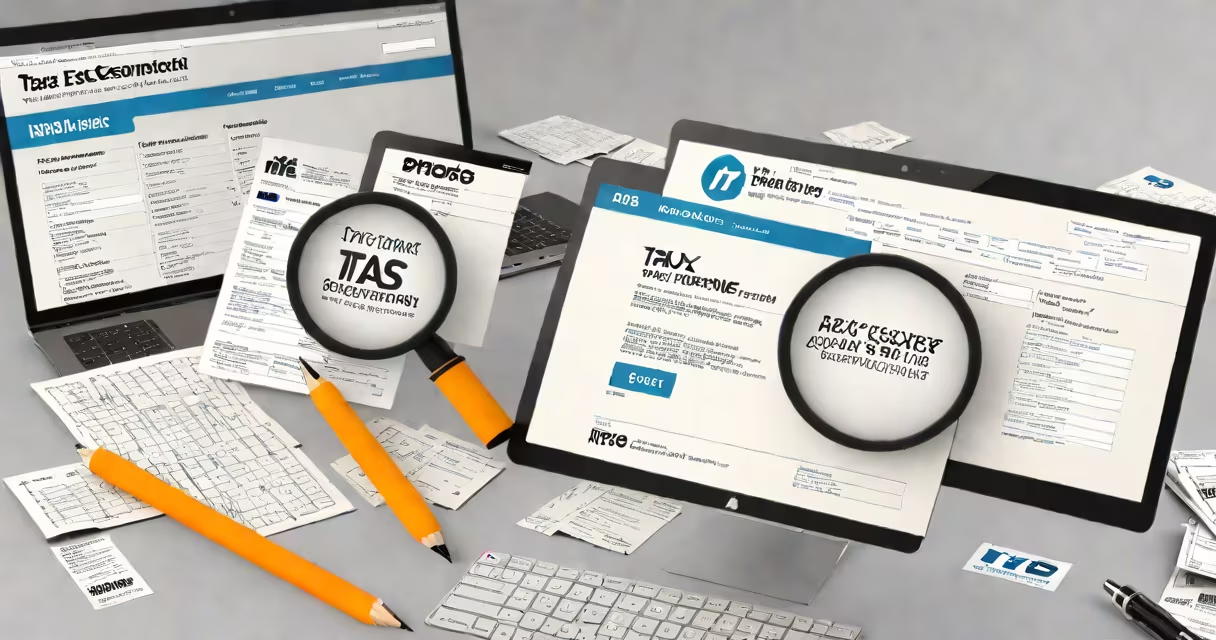
A tax exempt search is a method to verify whether an organization holds official tax-exempt status under U.S. Internal Revenue Code sections 501(c)(3), 501(c)(4), or other categories. These searches confirm eligibility for federal and often state tax exemptions granted by the IRS or relevant state authority.
When you perform a tax exempt search, you're not checking if an organization is "good" or "ethical"-you're confirming legal tax status. This matters for donors seeking deduction eligibility, grantmakers verifying recipient legitimacy, and individuals avoiding fraudulent nonprofits.
How Tax Exempt Search Works
The IRS operates the Tax Exempt Organization Search (TEOS) portal, which aggregates data from Form 990 series filings submitted annually by most tax-exempt entities. The system updates weekly, meaning information may lag by several days after a form is filed.
To run a search, enter the organization's name, EIN (Employer Identification Number), or city/state. Results display key details: exemption category (e.g., 501(c)(3) for charities), date of determination, and whether the organization is currently compliant.
For instance, searching "American Red Cross" returns a record showing it's recognized under 501(c)(3), with a determination letter issued in 1965. The site also notes it files Form 990 annually and remains in good standing.
Types of Tax Exempt Status and What They Mean
Not all tax-exempt organizations are the same. The IRS assigns different codes based on purpose and structure. The most common types include:
| Exemption Type | Common Purpose | Donor Deductibility | Example |
|---|---|---|---|
| 501(c)(3) | Charitable, religious, educational, scientific, literary, testing for public safety, fostering national or international amateur sports competition, or prevention of cruelty to children or animals | Yes | United Way, local food banks |
| 501(c)(4) | Local civic leagues, social welfare organizations | No | Neighborhood associations, advocacy groups |
| 501(c)(6) | Business leagues, chambers of commerce | No | Chamber of Commerce in Chicago |
Only 501(c)(3) organizations allow donors to claim charitable deductions on their federal tax returns. A tax exempt search confirms this classification, which is critical for donation tracking and IRS compliance.
Why You Should Perform a Tax Exempt Search
Donors use tax exempt search tools to validate that contributions qualify for income tax deductions. The IRS states that only gifts to organizations with valid 501(c)(3) status are eligible for deduction-and donors must have written confirmation.
Scammers sometimes create fake nonprofits to collect money under false pretenses. In 2022, the FBI reported over 1,200 incidents involving fraudulent charity solicitations. A tax exempt search prevents such fraud by confirming legitimacy through official records.
I once verified a small environmental group's status before donating $500. Their name appeared in TEOS with a 501(c)(3) designation, Form 990 filed for 2021, and no indication of revocation. That verification gave me confidence in the gift's tax benefit and ethical alignment.
Common Misconceptions and Errors
Many assume that being listed in the IRS database means an organization is actively operating or financially transparent. That's incorrect. A valid tax exempt status only confirms legal standing-not performance, transparency, or financial health.
Another error: confusing tax exempt status with nonprofit incorporation. An entity can be incorporated as a nonprofit without receiving tax exemption. For example, a community theater group may file Articles of Incorporation with the state but still need to apply for IRS recognition separately.
Also, tax exempt search results do not reflect whether an organization engages in prohibited political activity. A 501(c)(4) group can lobby and support candidates, while a 501(c)(3) cannot. The search shows the category-but not the activities within it.
Best Practices for Using Tax Exempt Search Tools
Use the EIN when available. Names can be duplicated-especially in large cities. The EIN ensures you're looking at the correct entity. For example, two organizations named "Hope Foundation" may exist-one in New York and one in Texas. Only the EIN resolves the ambiguity.
Check the "Filing Status" field. If it says "Not Filing," the organization hasn't submitted Form 990 in the past three years. That raises red flags about compliance and transparency-even if it still holds tax-exempt status.
Finally, cross-reference with state databases. In California, the Franchise Tax Board offers a nonprofit registry. In New York, the Attorney General's Office maintains a searchable list. These complement federal data but don't replace it.
Summary
A tax exempt search verifies whether an organization holds formal recognition from the IRS or a state agency to operate without paying certain taxes. It's essential for donors, grantmakers, and volunteers who want to ensure legitimacy and compliance. Always use official sources like the IRS TEOS tool and cross-check with state records when needed.
Understanding the difference between tax exempt status and operational integrity prevents misuse of funds and protects against fraud. When you perform a tax exempt search, you're not just checking a box-you're confirming legal standing and donor eligibility.