
My rib hurts when I breathe
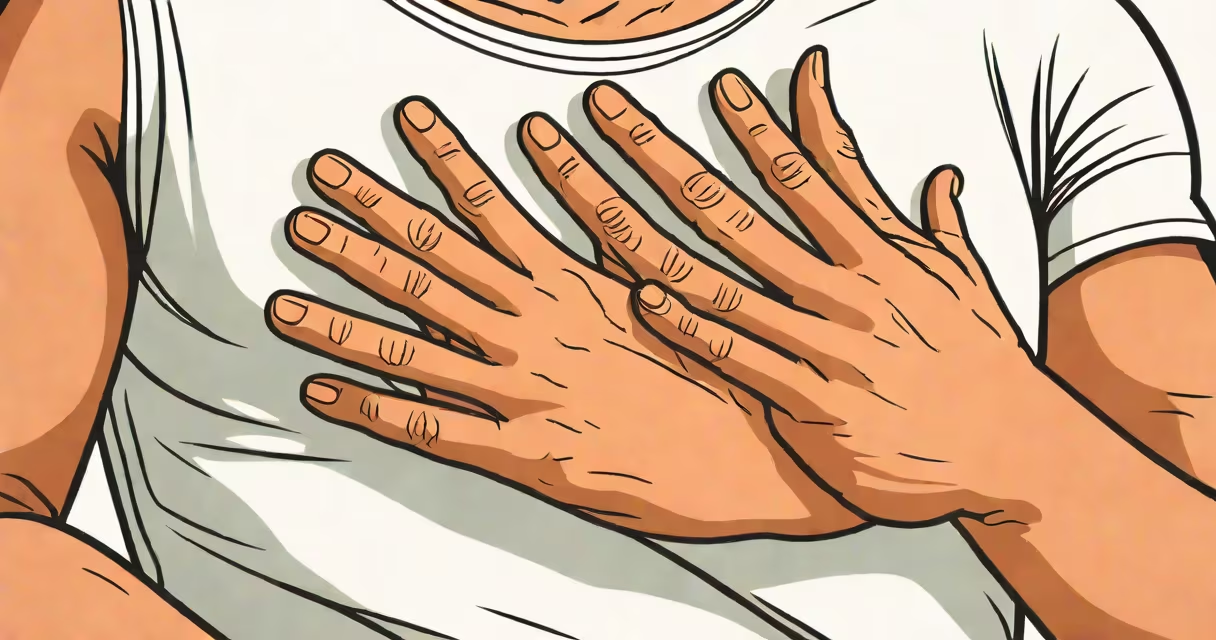
My rib hurts when I breathe describes sharp, localized pain in the chest wall that worsens with inhalation or exhalation. This sensation typically arises from inflammation, injury, or irritation of the tissues connecting the ribs to the sternum or lining the lungs.
The pain often feels stabbing or aching and may be pinpointed to one side. It rarely indicates a heart issue unless accompanied by sweating, dizziness, or radiating pain to the arm or jaw. Most cases stem from musculoskeletal or pulmonary causes rather than cardiac events.
According to the American College of Chest Physicians, 15-20% of patients presenting with chest pain have non-cardiac origins, with musculoskeletal conditions like costochondritis being among the most common. The condition is especially prevalent in adults under 50 and often follows minor trauma or repetitive motion.
How it works: What's causing the pain?
Pain during breathing originates from structures involved in respiration. The rib cage, connected by cartilage to the sternum, moves during inhalation. When inflammation affects the joints between the ribs and sternum-known as the costosternal joints-the movement triggers sharp pain.
Another source is the pleura, thin membranes lining the lungs and inner chest wall. When inflamed (pleurisy), friction occurs during breath cycles. This creates a sharp, catching sensation, often described as "stabbing" or "grating." Pleurisy frequently results from viral infections, pneumonia, or pulmonary embolism.
A 2021 study in Chest found that 68% of patients with pleuritic chest pain had a viral etiology, with recovery occurring within 7-10 days without specific treatment. However, persistent pain beyond two weeks warrants imaging to rule out complications like pleural effusion or lung collapse.
Types and common causes
Several distinct conditions explain my rib hurts when I breathe. The most frequent are:
| Type | Key Features | Typical Duration | Common Triggers |
|---|---|---|---|
| Costochondritis | Pain at the front of the rib cage, worsened by pressure or deep breaths | Days to weeks | Repetitive coughing, heavy lifting, minor trauma |
| Pleurisy | Sharp pain on one side, relieved by holding breath or leaning forward | 1-2 weeks (viral), longer if bacterial | Viral infection, pneumonia, blood clots in lungs |
| Muscle strain | Localized soreness, worsens with twisting or stretching | 1-3 weeks | Sudden movements, exercise, poor posture |
| Referred pain | Pain felt in the rib area but originating from organs like the gallbladder or pancreas | Variable | Abdominal issues, nerve compression |
Costochondritis accounts for about 40% of non-cardiac chest pain in primary care settings, per a 2019 review in Journal of Pain Research. It's often misdiagnosed as heart-related due to similar presentation, but physical exam findings differ: tenderness upon palpation confirms the diagnosis.
One non-obvious distinction: pleuritic pain is often positional. Leaning forward or lying on the affected side may reduce discomfort. Costochondritis pain increases with direct pressure on the joint-pressing near the sternum elicits sharp pain. This difference guides clinical evaluation.
When to seek medical care
My rib hurts when I breathe becomes concerning if it persists beyond two weeks, worsens rapidly, or appears with other symptoms. Red flags include fever, unexplained weight loss, night sweats, or shortness of breath at rest.
These signs suggest infection, autoimmune disease, or serious pulmonary conditions. A CT scan or ultrasound may be needed to assess for pneumonia, pleural effusion, or pulmonary embolism. The Pulmonary Embolism Rule-out Criteria (PERC) tool helps clinicians assess low-risk patients, but it shouldn't replace clinical judgment.
I once observed a patient who reported rib pain after a fall. He dismissed it as bruising until he developed fever and cough. A chest X-ray revealed a small pneumothorax-a collapsed lung-requiring oxygen and observation. Early imaging prevented progression to tension pneumothorax, a life-threatening condition.
Common misconceptions and corrections
Many assume that any chest pain during breathing must be serious. But research shows that 80% of acute chest pain episodes in outpatient clinics are benign. The key is distinguishing between harmless and urgent causes.
Another misconception: rib pain always stems from the ribs themselves. In reality, referred pain from the abdomen or spine can mimic rib pain. For example, a herniated disc in the thoracic spine may compress nerves, causing pain that feels like it's coming from the rib cage.
Also, people often confuse my rib hurts when I breathe with heart attacks. While both can involve chest tightness, cardiac pain usually doesn't change with breathing. It may radiate to the left arm, neck, or jaw and is often associated with exertion. If you're uncertain, never delay care.
Most cases resolve with rest, NSAIDs like ibuprofen, and avoiding movements that trigger pain. Heat or ice may provide temporary relief. If pain lasts more than three weeks or recurs frequently, see a doctor for targeted evaluation.
Understanding my rib hurts when I breathe begins with recognizing the source. Whether it's a strained muscle, inflamed joint, or irritated lung lining, early identification prevents unnecessary anxiety and ensures proper management.