
la boulangerie bakery
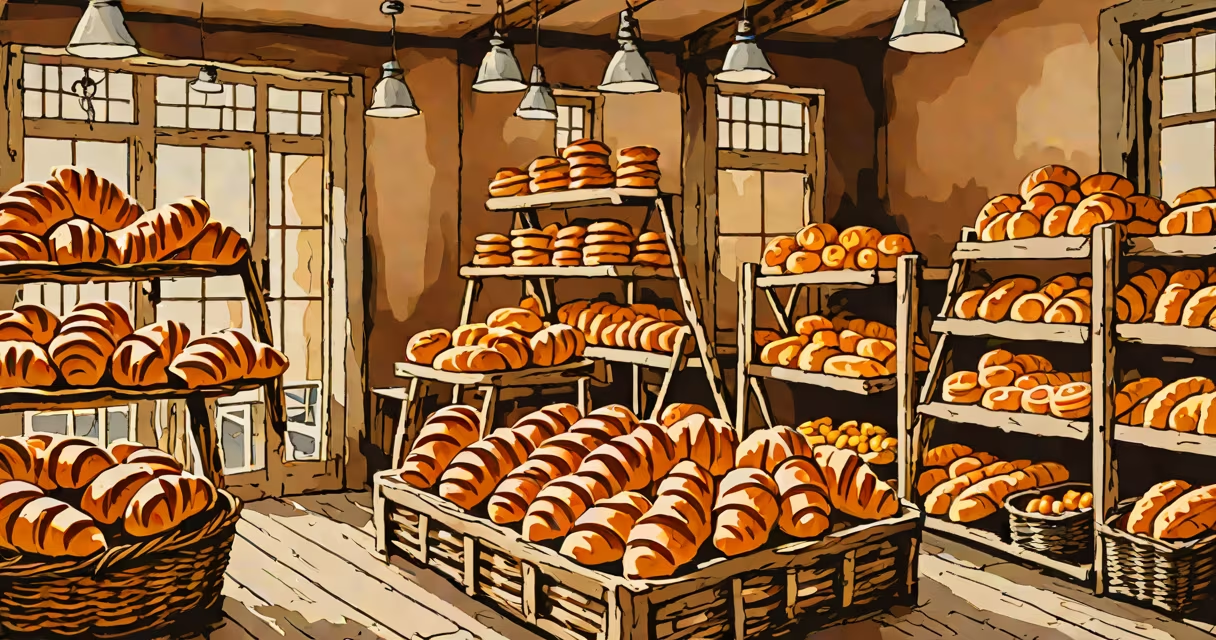
La boulangerie bakery is a French-style establishment focused on handcrafted breads and pastries made using traditional methods, natural fermentation, and seasonal ingredients. These bakeries emphasize craftsmanship, daily production, and regional authenticity, distinguishing them from mass-produced commercial bakeries.
Unlike American-style bakeries that often rely on quick-rise doughs and additives, la boulangerie bakery uses long fermentation processes-sometimes lasting 12 to 48 hours-to develop complex flavor and texture. The core products include baguettes, pain au levain, croissants, and viennoiseries such as éclairs and financiers. Each item is baked fresh daily, typically in wood-fired or electric ovens at high temperatures to achieve a crisp crust and airy crumb.
The concept originates from France's 19th-century boulangerie tradition, codified in the 1960s by the French law known as the Loi de l'Artisanat, which legally protects bakers who meet strict standards for ingredient sourcing and production methods. According to the Institut National de l'Origine et de la Qualité (INAO), a boulangerie must produce at least 70% of its goods on-site using flour milled from grain grown in France to qualify for the label "boulangerie française."
How la boulangerie bakery works
Each day begins before dawn. Bakers mix dough by hand or with slow mixers, then allow it to ferment overnight. This extended fermentation activates wild yeast and bacteria, breaking down starches and improving digestibility. The resulting loaves have deeper flavor and better shelf life than those made with commercial yeast alone.
For example, a classic baguette at a Parisian la boulangerie bakery weighs about 250 grams and contains only four ingredients: flour, water, salt, and natural leavening agent. The dough is shaped by hand, scored with a razor, and baked at 450°F (230°C) for 20-25 minutes. The result is a loaf with a golden, crackling crust and a soft, chewy interior-cracks audible when broken.
Many la boulangerie bakeries operate on a "first come, first served" basis. There's no online ordering, no pre-packaged options. Customers line up early to secure the day's most popular items-often the croissants, which sell out within 30 minutes of opening.
Types of la boulangerie bakery
While all la boulangerie bakeries share foundational principles, they differ in focus and scale. The following table outlines key categories:
| Type | Focus | Production Volume | Example |
|---|---|---|---|
| Artisan | Handmade, small batch, heritage techniques | Low (50-100 loaves/day) | Boulangerie Pâtisserie Léon in Lyon |
| Regional | Local ingredients, regional specialties | Medium (150-300 loaves/day) | Le Pain Quotidien in Provence |
| Modern | Hybrid model: traditional methods with tech integration | High (300-500 loaves/day) | La Maison du Pain in Marseille |
Artisan la boulangerie bakeries prioritize process over speed. They may use stone-ground flour from local mills and bake only during daylight hours to preserve energy and consistency. Regional bakeries show local terroir-such as using wheat from the Loire Valley or rye from Brittany-resulting in distinct regional profiles.
Modern la boulangerie bakeries blend tradition with efficiency. Some use automated proofing systems and digital inventory tracking while still adhering to minimum fermentation times. These bakeries often serve urban populations seeking authentic taste without sacrificing convenience.
Where and why la boulangerie bakery is used
La boulangerie bakery is central to French daily life. In cities like Paris, Lyon, and Bordeaux, it's common to find a boulangerie within a 5-minute walk of any residential neighborhood. The average French person consumes 100-120 kilograms of bread annually-about 1.5 loaves per week-most of it purchased from a local la boulangerie.
These bakeries serve more than food. They're community hubs. A study by INSEE (2022) found that 68% of French consumers visit their local boulangerie at least three times a week-not just for bread, but for social interaction. The ritual of buying a fresh baguette at 7 a.m. is part of cultural identity.
Common misconceptions and corrections
One widespread error is equating la boulangerie bakery with any French-inspired café or patisserie. While both may sell croissants and éclairs, a patisserie focuses on sweet pastries and desserts. A la boulangerie bakery emphasizes savory breads and breakfast staples. Confusing the two leads to poor expectations-ordering a croissant at a true boulangerie often results in disappointment, as many don't stock them.
A second misconception is that all la boulangerie bakeries are small and family-run. While many are, large-scale operations exist. The chain Boulangerie des Halles operates 12 locations across France and produces over 10,000 loaves daily. However, even these follow strict guidelines: no preservatives, no artificial flavors, and all breads baked in-house between 5 a.m. and 8 a.m.
Finally, some assume that la boulangerie bakery is inherently healthier. Not always. A baguette contains 250 calories per 100 grams-similar to a slice of white sandwich bread. But because it's made with whole grain flour and fermented slowly, it digests more gradually and has a lower glycemic index. According to the French National Institute of Health and Medical Research (INSERM), regular consumption of fermented bread correlates with improved gut microbiome diversity.
I once stood in line at a Parisian la boulangerie during rush hour. The queue stretched around the corner. When I finally reached the counter, the baker handed me a warm baguette without asking. He didn't scan it-he knew my face. That moment revealed the heart of la boulangerie: not just food, but trust, routine, and continuity.
La boulangerie bakery remains a living tradition rooted in craft, patience, and place. It's not a trend-it's a practice. For anyone seeking bread that tastes like history, memory, and care, the answer lies in a small shop with a red awning, a bell above the door, and the smell of sourdough rising through the air.