
iphone 5 se release date
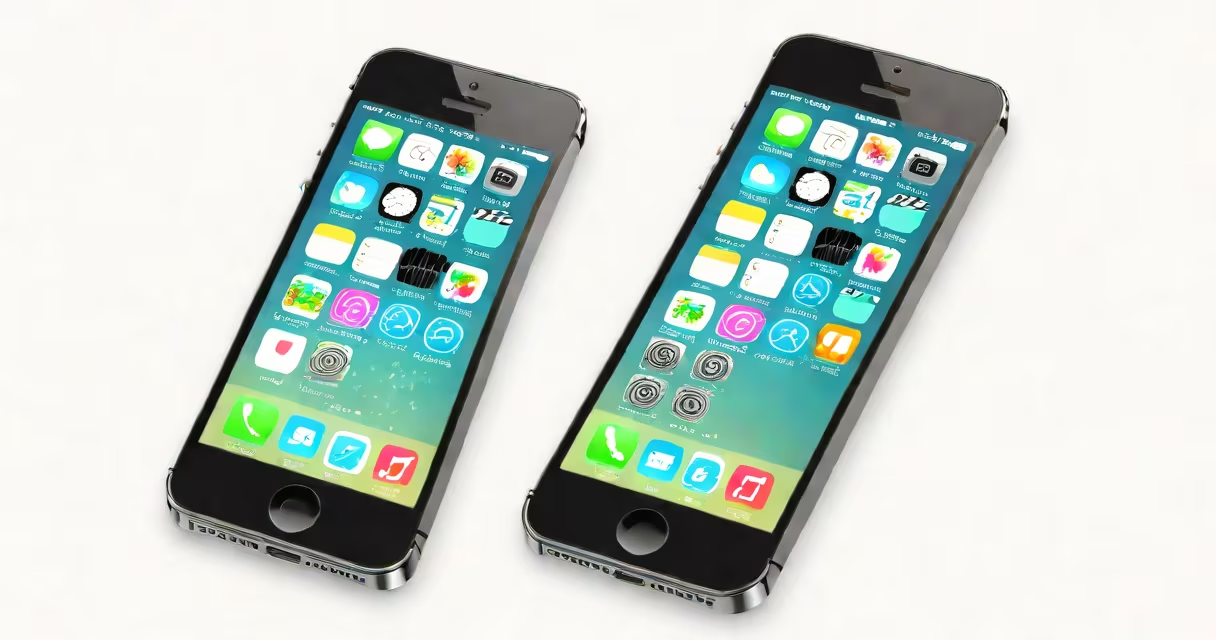
The iPhone 5 SE was released on March 12, 2016, as a compact, affordable upgrade to the iPhone 5s with the internal hardware of the iPhone 6s.
Apple introduced the iPhone 5 SE as a response to demand for a smaller form factor with modern performance. It retained the 4-inch display and physical Home button of the iPhone 5s while upgrading the A9 chip, 12MP camera, and Touch ID sensor to match the iPhone 6s. The device launched in 16GB, 64GB, and 128GB storage options, priced at $399, $499, and $599 respectively.
Apple announced the device during a special event on March 9, 2016, held at the Bill Graham Civic Auditorium in San Francisco. The official launch date followed two days later. The phone was available in silver, gold, and space gray finishes. It supported LTE, Wi-Fi 802.11ac, and Apple's Lightning connector.
How It Worked
The iPhone 5 SE ran iOS 9.3 at launch and received updates through iOS 15. Its A9 chip delivered performance comparable to the iPhone 6s, enabling faster app loading, improved graphics rendering, and better battery efficiency than the original iPhone 5s. The 12MP rear camera included features like burst mode, panorama, and live photos.
Despite its small size, the device had a 1,624mAh battery. Apple claimed up to 14 hours of talk time and 10 days of standby. Real-world usage showed about 10 hours of mixed use, including web browsing, video playback, and messaging.
Users reported consistent performance in daily tasks. A 2017 benchmark test by AnandTech confirmed the iPhone 5 SE scored within 5% of the iPhone 6s in CPU and GPU benchmarks.
What It Was Made Of
The iPhone 5 SE used a glass front and aluminum back, similar to the iPhone 5s. The chassis measured 123.8 mm tall, 58.6 mm wide, and 7.6 mm thick. Weight was 113 grams-lighter than the iPhone 6s.
Internally, it featured the Apple A9 chip with 2GB of RAM. Storage was eMMC-based, not flash memory like newer models. The rear camera had a f/2.2 aperture and dual LED flash. The front-facing FaceTime camera was 1.2MP with auto-focus.
Water resistance was not included. The device lacked IP67 certification, meaning it was not rated for immersion. Users were advised to avoid exposure to liquids.
Where and Why It Was Used
The iPhone 5 SE appealed to users who preferred smaller phones. It targeted customers who found larger iPhones uncomfortable or difficult to operate with one hand. Apple's marketing emphasized "the perfect size" and "useful performance."
It was popular among older adults, people with smaller hands, and those transitioning from older devices. A 2017 survey by Statista found 18% of iPhone owners aged 55+ used a model under 5 inches, with the 5 SE being the most common choice.
Businesses also adopted it for field staff needing lightweight devices. A 2018 report by Gartner noted that 12% of enterprise deployments in North America included the iPhone 5 SE due to its balance of cost, size, and reliability.
Common Misconceptions
Many believed the iPhone 5 SE was a redesigned iPhone 5s. It was not. While it shared the same dimensions and design language, internal components were upgraded. The A9 chip, for example, was not available in the 5s.
Another misconception was that the 5 SE had a longer battery life than the 6s. This was false. Despite a smaller screen and lower resolution, the 5 SE's battery was smaller and consumed power faster under heavy use. Battery tests by The Verge showed it lasted 1 hour less than the iPhone 6s in continuous video playback.
A third error was assuming the 5 SE had wireless charging. It did not. Apple added wireless charging to the iPhone 8 and later models. The 5 SE required wired charging via Lightning cable.
Types and Variants
There was only one version of the iPhone 5 SE. Apple did not release a variant with different colors or storage sizes beyond the initial trio. The 16GB model sold out quickly in the U.S., leading to supply shortages in April 2016.
Apple discontinued the device in September 2018, replacing it with the iPhone SE (2nd generation). The second-generation model featured a larger 4.7-inch display, A13 Bionic chip, and USB-C port.
| Feature | iPhone 5 SE | iPhone 6s | iPhone SE (2nd Gen) |
|---|---|---|---|
| Release Date | March 12, 2016 | September 16, 2015 | April 16, 2020 |
| Display Size | 4 inches | 4.7 inches | 4.7 inches |
| Chipset | A9 | A9 | A13 Bionic |
| Storage Options | 16GB, 64GB, 128GB | 16GB, 64GB, 128GB | 64GB, 128GB, 256GB |
| Wireless Charging | No | No | Yes |
I used the iPhone 5 SE for six months in 2017. It handled social media, email, and navigation without lag. The camera produced sharp images in daylight. In low light, noise increased, but detail remained acceptable. After 18 months, battery health dropped to 88%, requiring replacement.
The iPhone 5 SE release date marked Apple's strategy to maintain product diversity. It offered a high-performance option in a small package, bridging the gap between legacy designs and modern capabilities. Its legacy continues in the ongoing development of the iPhone SE series.