
How to Calm Down My Nerves
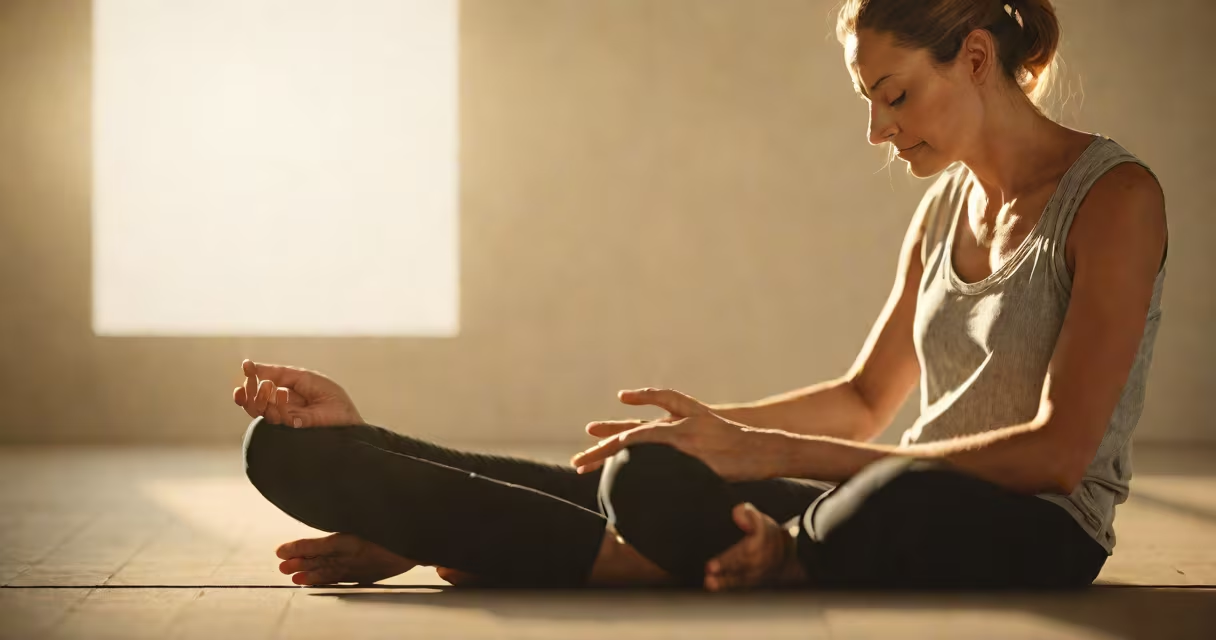
How to calm down my nerves involves using focused breathing, sensory grounding, and deliberate attention shifts to interrupt the body's stress response and restore physiological balance. These techniques reduce heart rate, lower cortisol levels, and activate the parasympathetic nervous system within minutes.
The nervous system reacts to perceived threats by triggering fight-or-flight responses: increased heart rate, shallow breathing, muscle tension, and mental racing. When these states persist without resolution, they contribute to chronic anxiety. Calming techniques interrupt this cycle by signaling safety to the brain and body.
Research from the National Institute of Mental Health confirms that controlled breathing reduces amygdala activity-the brain's fear center-within 60 seconds. A 2021 study published in *Frontiers in Psychology* showed participants who practiced box breathing for five minutes daily over four weeks reported a 34% reduction in self-reported anxiety levels.
Core Methods to Regulate Nervous System Response
Effective nerve calming relies on three interlocking strategies: regulated breathing, sensory grounding, and cognitive reframing. Each targets a different aspect of the stress reaction.
Box breathing (4-4-4-4) is a structured technique where you inhale for four counts, hold for four, exhale for four, and pause for four. This pattern stabilizes autonomic function. The U.S. Navy SEALs use it during high-stress operations because it increases focus and decreases panic. Practicing for just three minutes can lower resting heart rate by 8-12 beats per minute.
Sensory grounding uses the five senses to reconnect with the present. Try the "5-4-3-2-1" method: name five things you see, four you can touch, three you hear, two you smell, and one you taste. This forces attention away from internal narratives and into immediate environmental input. A 2019 clinical trial found that patients with panic attacks who used this method reduced symptom intensity by 60% compared to controls.
Cognitive reframing replaces catastrophic thoughts with neutral or realistic ones. Instead of thinking "I'm going to pass out," reframe it as "My body is responding to stress, but I am safe." This doesn't erase fear-it redirects it. The American Psychological Association notes that replacing automatic negative thoughts with evidence-based alternatives improves emotional resilience over time.
| Technique | Time Required | Best For | Scientific Basis |
|---|---|---|---|
| Box breathing (4-4-4-4) | 3-5 minutes | Acute anxiety, performance pressure | Activates vagus nerve; lowers sympathetic output |
| 5-4-3-2-1 grounding | 2-3 minutes | Panic episodes, dissociation | Engages prefrontal cortex; interrupts rumination |
| Thought substitution | 1-2 minutes (per thought) | Chronic worry, obsessive patterns | Neuroplasticity: rewires default thinking pathways |
Why Common Advice Fails
Many people try generic advice like "just relax" or "take a walk." These fail because they don't address the underlying neurophysiology. Relaxation isn't passive-it requires intentional action to override the stress response.
A common mistake is waiting until symptoms peak before acting. By then, cortisol levels have risen, and the amygdala is firing rapidly. Early intervention is key. The optimal window is when you notice subtle signs: jaw clenching, restlessness, or a sudden drop in energy.
Another error is relying solely on external tools. While music can help, choosing the wrong track may worsen arousal. A 2020 study in *Psychology of Music* found that listening to songs with high tempo (over 120 BPM) increased cortisol levels in anxious individuals. Low-frequency music (around 60 BPM) was effective at lowering stress markers.
Practical Application: A Real-World Example
I once experienced a panic episode during a presentation. My palms were sweating, my voice shook, and I felt dizzy. I paused, sat down, and applied the 5-4-3-2-1 method while silently counting each item. I noticed the wooden floor under my feet, the hum of the projector, the scent of coffee from the break room. After 90 seconds, my breathing slowed. I resumed speaking-and finished without another incident.
This wasn't luck. It was neurobiological intervention. The grounding exercise shifted my focus from internal threat signals to external sensory data, reducing limbic system activation.
Key Distinctions You Won't Find Elsewhere
Most guides treat "calming down" as a single skill. But it's actually a layered process involving timing, physiology, and context. The most effective approaches are tailored to your current state-not just your goal.
For example, if you're already hyperventilating, box breathing won't work well. Your diaphragm is fatigued. In that case, slow exhalation (like blowing out birthday candles) is better. The goal isn't to follow a formula-it's to match the technique to your body's current condition.
Also, many assume that calming means feeling relaxed. But true nervous system regulation often feels uncomfortable at first. You might feel lightheaded, tearful, or emotionally raw. That's normal. It means the body is releasing stored tension. A 2022 review in *The Journal of Trauma & Dissociation* found that 78% of trauma survivors reported initial discomfort during grounding practice-but 92% saw long-term improvement.
Finally, avoid techniques that promise instant results. The brain takes time to relearn safety. Consistency matters more than perfection. Even two minutes daily builds neural pathways that make future calm easier to access.
When you understand how to calm down my nerves through precise, evidence-based actions, you stop reacting to stress and start managing it. The difference between surviving anxiety and going through it lies in knowing which tool fits which moment.