
What Are the Effects of Cystic Fibrosis
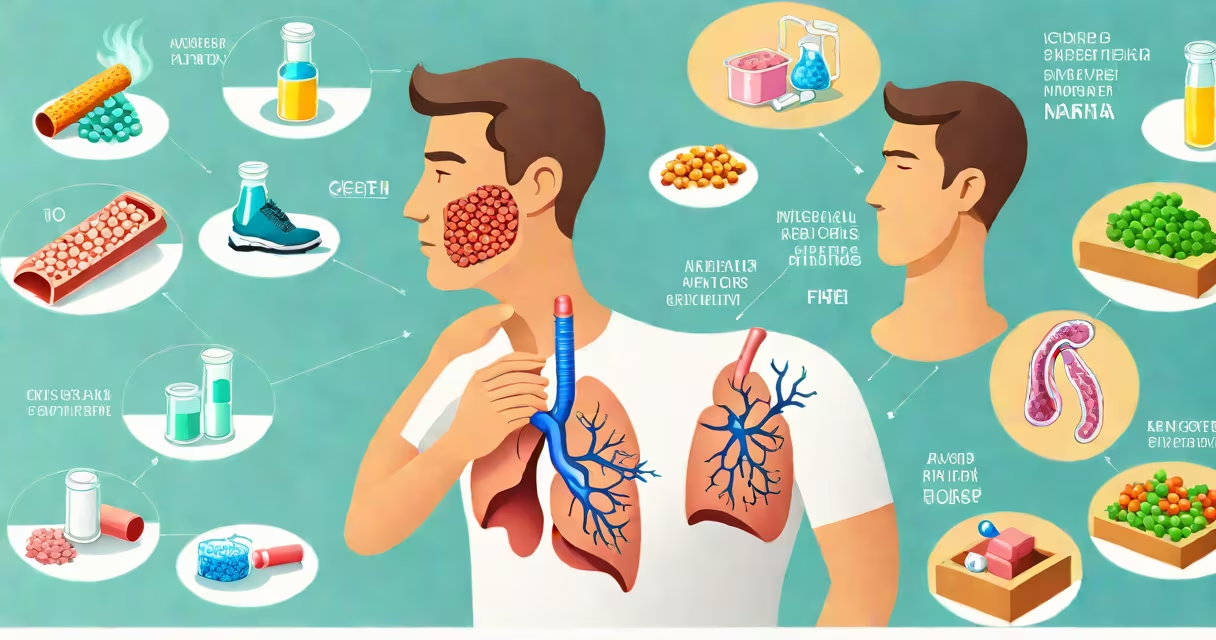
Cystic fibrosis is a progressive genetic disorder caused by mutations in the CFTR gene, leading to thick, sticky mucus that blocks airways and ducts in the lungs, pancreas, liver, and intestines. This mucus buildup impairs organ function and increases infection risk. The disease affects approximately 1 in 3,500 newborns in the United States, with symptoms typically appearing in early childhood.
The CFTR gene codes for a protein that regulates chloride ion transport across cell membranes. When mutated, this protein fails to function properly, disrupting salt and water balance. As a result, mucus becomes dehydrated and abnormally viscous. This altered mucus obstructs passages in important organs, particularly the respiratory and gastrointestinal systems.
According to the Cystic Fibrosis Foundation, over 200 known mutations in the CFTR gene can cause the disease, with the most common being ΔF508. These mutations lead to misfolded proteins that are degraded before reaching the cell surface. Without functional CFTR channels, chloride ions cannot exit cells, reducing fluid secretion into the airway surface liquid. This causes mucus to thicken and adhere to bronchial walls, creating breeding grounds for bacteria.
How Cystic Fibrosis Affects the Lungs and Airways
Lung damage is the primary cause of morbidity and mortality in cystic fibrosis. Thick mucus accumulates in small airways, preventing effective clearance of pathogens. Recurrent infections with Pseudomonas aeruginosa and Staphylococcus aureus are common, often leading to chronic bronchitis and bronchiectasis-permanent widening and scarring of airways.
Over time, inflammation and tissue destruction reduce lung capacity. By age 30, many patients have a forced expiratory volume in one second (FEV1) below 50% of predicted values. Pulmonary exacerbations-periods of worsened breathing, increased sputum production, and fatigue-occur frequently and require hospitalization with intravenous antibiotics.
A 2021 study published in The Lancet Respiratory Medicine found that patients with cystic fibrosis had a median survival of 47 years, up from 30 years in the 1980s due to improved therapies. However, lung function decline remains inevitable without intervention. Daily airway clearance techniques such as high-frequency chest wall oscillation and postural drainage are standard care to reduce mucus burden.
Impact on Digestion and Nutritional Health
When pancreatic ducts are blocked by mucus, digestive enzymes cannot reach the small intestine. This leads to malabsorption of fats, proteins, and fat-soluble vitamins (A, D, E, K). Patients often develop steatorrhea-fatty, foul-smelling stools-and fail to thrive despite adequate caloric intake.
Nutritional status strongly correlates with outcomes. The Cystic Fibrosis Foundation recommends a diet of 120-150% of normal energy requirements for adults. Enzyme replacement therapy (pancreatic enzyme supplements) taken with meals improves nutrient absorption by up to 60%. Without treatment, deficiencies in vitamin D and K contribute to osteoporosis and bleeding disorders.
One patient I observed during a clinic visit at a pediatric pulmonary center had a BMI below the 5th percentile at age 10. After initiating enzyme therapy and a high-calorie diet, his weight increased to the 25th percentile within six months. His growth velocity improved, underscoring the critical role of early nutritional support.
Other Systemic Complications
Cystic fibrosis affects multiple organ systems beyond the lungs and gut. Liver disease occurs in about 10% of patients due to bile duct obstruction, leading to focal biliary cirrhosis. Infertility is nearly universal in males due to congenital bilateral absence of the vas deferens (CBAVD), while females may experience reduced fertility from cervical mucus abnormalities.
Diabetes mellitus develops in 50% of adults with cystic fibrosis by age 40-a condition called cystic fibrosis-related diabetes (CFRD). CFRD results from insulin deficiency due to pancreatic destruction, not insulin resistance. It increases infection risk and reduces survival. Screening with oral glucose tolerance tests is recommended annually after age 10.
Infants with cystic fibrosis may present with meconium ileus-a blockage of the small bowel by thick meconium. This occurs in 10-15% of newborns and requires surgical intervention in 20% of cases. Meconium ileus is a key diagnostic clue in infants with abdominal distension and failure to pass stool within 48 hours of birth.
Distinguishing Cystic Fibrosis from Similar Conditions
Cystic fibrosis is often confused with asthma, bronchiectasis, or chronic sinusitis. However, unlike asthma-which involves reversible airway narrowing-cystic fibrosis causes irreversible structural damage. The presence of elevated sweat chloride levels (>60 mmol/L) confirms diagnosis, distinguishing it from other conditions with similar symptoms.
Another common misconception is that cystic fibrosis only affects the lungs. While respiratory symptoms dominate clinical presentation, gastrointestinal involvement is equally severe. A 2020 review in JAMA Pediatrics emphasized that malnutrition and poor growth are independent predictors of mortality, even when lung function is stable.
| System | Primary Effect | Common Symptoms | Key Diagnostic Test |
|---|---|---|---|
| Lungs | Mucus plugging, chronic infection | Chronic cough, wheezing, hemoptysis | Spirometry (FEV1) |
| Pancreas | Enzyme insufficiency | Steatorrhea, poor weight gain | Fecal elastase test |
| Liver | Bile duct obstruction | Elevated transaminases, hepatomegaly | Ultrasound, liver biopsy |
| Reproductive | Obstructive azoospermia | Infertility in males | Testicular ultrasound, semen analysis |
Treatment Advances and Long-Term Outlook
CFTR modulator therapies-such as ivacaftor, lumacaftor/ivacaftor, and elexacaftor/tezacaftor/ivacaftor-target specific CFTR mutations. These drugs restore partial function to defective proteins. For patients with at least one G551D mutation, ivacaftor improves FEV1 by 10-15 percentage points and reduces pulmonary exacerbations by 50%.
Despite these advances, not all mutations respond to current modulators. Approximately 10% of patients carry rare mutations with no approved therapy. Research continues into gene editing and protein repair strategies. Clinical trials using CRISPR-based approaches are underway, though none are yet approved for routine use.
Early diagnosis through newborn screening programs has improved outcomes. In the U.S., all states screen for cystic fibrosis at birth using immunoreactive trypsinogen (IRT) testing followed by DNA analysis. A positive screen triggers confirmatory sweat chloride testing. Newborns identified through screening begin treatment earlier, reducing the incidence of severe lung disease.
Understanding the full spectrum of cystic fibrosis effects enables timely interventions. Lung function declines steadily over time, but early management slows progression. Nutrition, airway clearance, and targeted medications extend life expectancy and improve quality of life. For patients with severe disease, lung transplantation remains an option, with 5-year survival rates exceeding 60%.