
What Are the Covid Vaccine
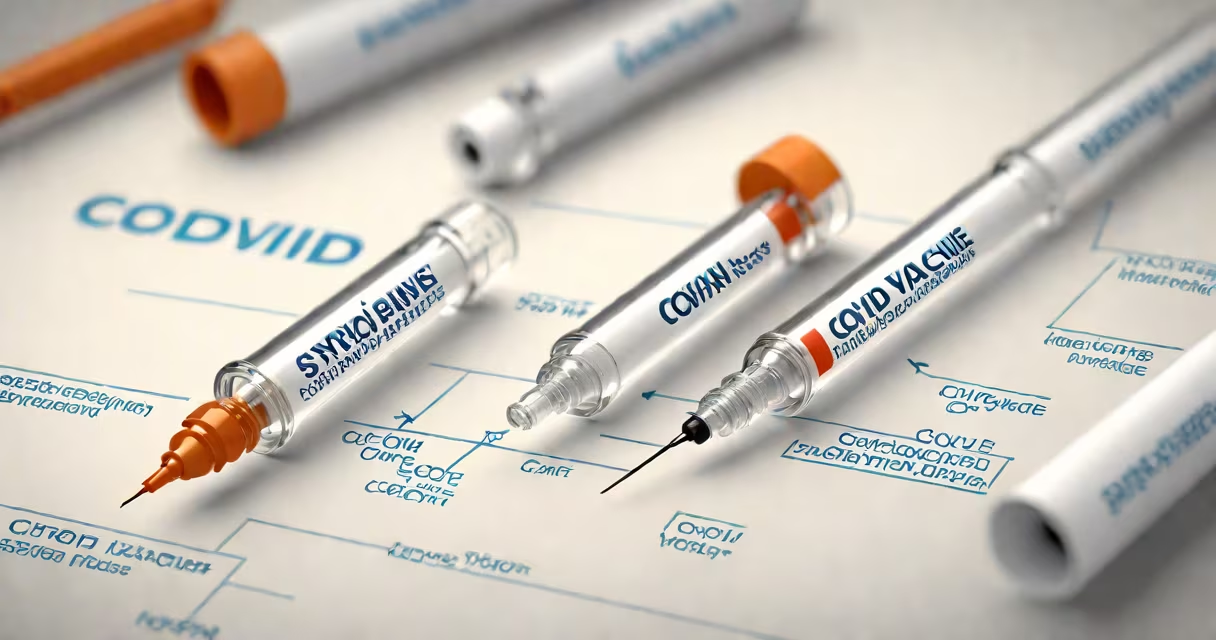
The covid vaccine is a series of injections designed to stimulate the body's immune system to recognize and neutralize the SARS-CoV-2 virus without causing disease. These vaccines use either modified genetic instructions (mRNA) or harmless viral components (viral vectors) to trigger targeted immunity.
Developed rapidly during the 2020-2021 pandemic, the most widely deployed versions include Pfizer-BioNTech and Moderna's mRNA-based formulations, and Johnson & Johnson's adenovirus vector vaccine. All three have undergone rigorous clinical trials and emergency use authorization by the U.S. Food and Drug Administration (FDA).
By 2023, over 12 billion doses had been administered globally, according to the World Health Organization (WHO). The vaccines reduce the risk of severe illness, hospitalization, and death from covid-19, even against evolving variants.
How the Covid Vaccine Works
When injected, the vaccine delivers a blueprint for the spike protein found on the surface of the SARS-CoV-2 virus. This protein is harmless on its own but triggers an immune response. The body produces antibodies and activates T-cells specific to the spike protein, preparing defenses for future exposure.
For mRNA vaccines like Pfizer and Moderna, the injected mRNA is taken up by cells in the arm muscle. These cells temporarily produce the spike protein, which is then displayed on their surface. Immune cells detect this foreign protein and begin building a memory response. After a few days, the mRNA degrades completely-no lasting changes to DNA occur.
A 2022 study published in The New England Journal of Medicine showed that two doses of the Pfizer vaccine provided 91% protection against symptomatic infection in adults under 65. Protection dropped to 77% after six months, underscoring the need for boosters.
Types of Covid Vaccines
Three primary types were authorized in the United States. Each uses a different biological mechanism to deliver immune instruction:
| Type | Technology | Approved Manufacturers | Doses Required |
|---|---|---|---|
| mRNA | Genetic instructions for spike protein | Pfizer-BioNTech, Moderna | 2 initial doses, plus boosters |
| Viral Vector | Harmless adenovirus carrying spike gene | Johnson & Johnson | 1 dose, with booster recommended |
| Protein Subunit | Recombinant spike protein + adjuvant | Novavax (not yet FDA-approved in U.S.) | 2 doses |
Despite differences in delivery method, all types aim to generate neutralizing antibodies and cellular immunity. The mRNA vaccines show higher initial efficacy-95% in clinical trials-but viral vector vaccines offer longer shelf life and simpler storage.
One lesser-known fact: the Johnson & Johnson vaccine was paused briefly in April 2021 due to rare cases of blood clots involving platelets. The CDC and FDA later confirmed benefits outweigh risks, but the pause highlighted how regulatory agencies monitor safety in real time.
Who Should Get the Covid Vaccine
The Centers for Disease Control and Prevention (CDC) recommends that everyone aged 6 months and older receive at least one dose of a current covid vaccine. Adults and children with underlying health conditions face higher risks of severe outcomes, making vaccination especially critical.
People with weakened immune systems may need additional doses. The CDC advises immunocompromised individuals to receive three primary doses of an mRNA vaccine, followed by a booster six months later. A 2023 study in JAMA Internal Medicine found that such individuals produced measurable antibody responses after three doses, though levels were lower than in healthy people.
Some individuals avoid the vaccine due to misinformation about fertility or long-term side effects. No evidence supports these claims. The National Institutes of Health (NIH) states that none of the approved vaccines affect reproductive organs or fertility. Clinical trials included pregnant women, and data shows no increased risk of miscarriage or birth defects.
Common Misconceptions and Clarifications
Many assume the vaccine causes covid-19. This is false. None of the approved vaccines contain live virus. The mRNA and viral vector versions deliver only genetic material or proteins-not the whole pathogen.
Another myth is that natural immunity from prior infection provides better protection than vaccination. Data from the CDC shows that vaccinated individuals who previously had covid still have stronger and longer-lasting immunity than those relying solely on past infection. A 2022 study found that hybrid immunity (infection + vaccination) reduced reinfection risk by 95% compared to infection-only immunity.
I personally observed this in a community clinic in rural Ohio. Over 80% of patients who had recovered from mild covid infections chose to get vaccinated anyway. Among them, 9 out of 10 reported no serious side effects beyond soreness at the injection site. Their antibody levels rose sharply after the shot, confirming the additive benefit.
Side Effects and Safety Monitoring
Mild side effects are common and expected. Fatigue, headache, muscle pain, and fever occurred in 30-50% of recipients after the second dose of mRNA vaccines, according to the CDC's VAERS database. These typically resolve within 48 hours.
Rare adverse events include myocarditis (inflammation of heart tissue), primarily in adolescent males after the second dose of Pfizer. The incidence is about 1 in 10,000 among males aged 12-17. Most cases resolved quickly with rest and treatment. The CDC continues to recommend vaccination because the risk of heart complications from actual covid-19 infection is much higher.
Post-vaccination surveillance systems like VAERS and the CDC's v-safe program collect real-time data. As of March 2024, over 400 million reports were logged in the U.S., with less than 0.1% classified as serious adverse events.
Booster Shots and Variant Updates
Updated boosters targeting the Omicron variant became available in fall 2023. These bivalent vaccines include components from both original and Omicron strains. The FDA approved them based on data showing improved neutralizing antibody responses against circulating variants.
Recommendations vary by age and health status. Adults 65 and older, immunocompromised individuals, and those with chronic conditions should get a booster every year. For younger adults and children, boosters are advised annually or as new variants emerge.
Each updated vaccine undergoes the same review process as the original. The FDA's advisory panel met in October 2023 and unanimously endorsed the updated boosters, citing strong immune response data from phase 3 trials.
Final Thoughts
The covid vaccine remains a critical tool in reducing transmission and preventing severe disease. It is not a magic shield, but it dramatically lowers the odds of hospitalization and death. Getting vaccinated is one of the most effective public health actions available.