
type a letter on my computer to print
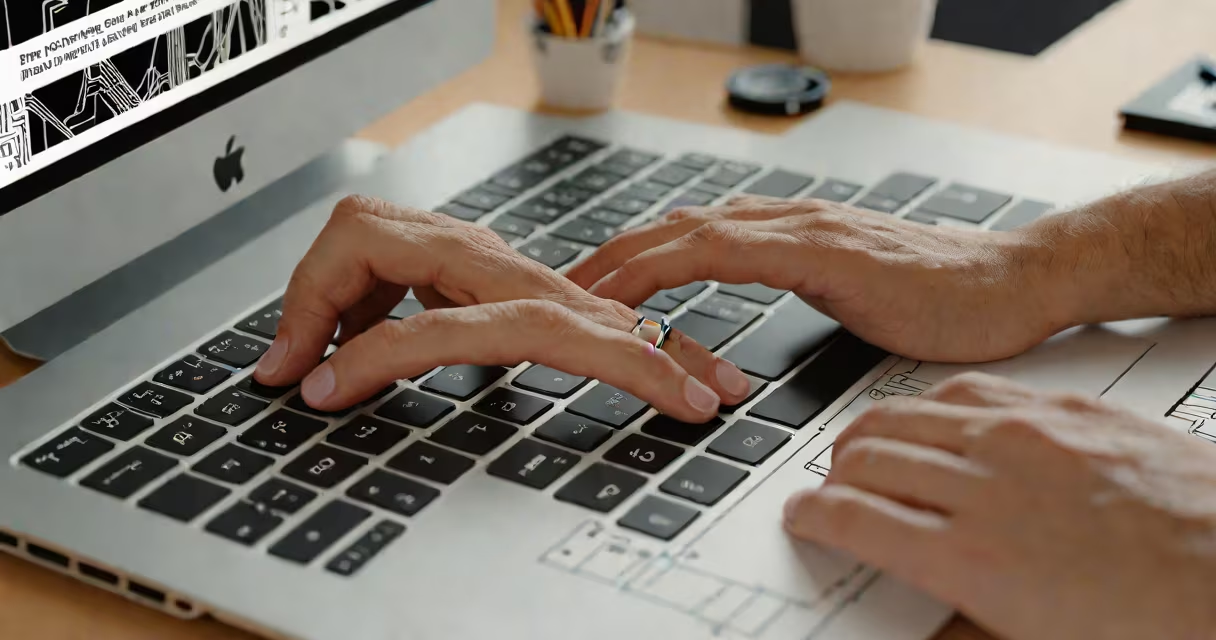
Typing a letter on your computer to print means entering a character-like "P"-that triggers a sequence of software and hardware actions leading to a physical document being produced. The keystroke itself doesn't print; it activates a command that instructs the printer to produce a page.
When you press a key, such as "P," the keyboard sends a signal to the operating system. The OS interprets the input based on the current application-such as Microsoft Word or Google Docs-and stores the character in memory. To print, you must then execute a print command, usually through a menu option, keyboard shortcut (Ctrl+P), or a dedicated button in the software.
The print command sends the document's data to a print spooler-a temporary storage queue managed by the OS. The spooler forwards the file to the printer driver, which translates the document into a format the printer understands, such as PCL or PostScript. The printer receives the data, processes it, and produces a physical copy on paper.
How the Process Actually Works
Pressing a single key does not initiate printing. The act of typing "P" only adds the letter to your document. Printing requires a separate action: selecting the print function. Without that step, the letter remains on screen or saved in a file.
For example, if you type "Hello" in a blank document and press Ctrl+P, the system opens the print dialog. You choose a printer, set options like double-sided or color, and confirm. The OS then sends the document to the print spooler. The spooler waits until the printer is ready, then transmits the data.
If the printer is offline or out of paper, the system displays an error. The print job stays in the queue until the issue is resolved. This behavior ensures no data is lost during interruptions.
What It's Made Of
The entire chain relies on four components: the keyboard, the operating system, the application, and the printer driver. Each plays a distinct role.
- Keyboard: Sends electrical signals corresponding to key presses.
- Operating System: Manages input, runs applications, and handles communication with peripherals.
- Application: Displays text and processes user commands like print.
- Printer Driver: Converts document data into instructions the printer can follow.
Without a properly installed driver, even a working printer may fail to respond. For example, a Canon PIXMA TS9120 requires a specific driver version for Windows 11. Installing the wrong driver causes errors like "printer not responding" or "invalid file format."
Common Misconceptions
Many people believe that typing a letter directly prints it. That's incorrect. Typing "P" in a word processor only inserts the character. The printer only acts when told to do so.
Another myth is that all printers work the same way. In reality, laser printers use toner and heat, while inkjet printers spray liquid ink. A document printed on a laser printer will have sharper text and faster output than an inkjet model, especially for high-volume jobs.
A lesser-known fact: some systems allow direct printing from the command line. On Linux, running lp /path/to/document.txt sends a file to the default printer. This bypasses GUI tools and is useful in scripts or remote sessions.
Real-World Example
Suppose you're writing a report in LibreOffice and want to print page 3. You click File > Print, select a networked HP LaserJet Pro MFP M428fdw, and set it to print double-sided. The system sends the document to the spooler.
Meanwhile, the printer driver converts the text and layout into a page description language (PDL). The HP printer uses PCL6, a standard format. The data travels over Wi-Fi, arrives at the printer, and the fuser melts toner onto paper. After 23 seconds, the page exits the output tray.
This entire process-from typing "P" to receiving a printed page-takes less than 30 seconds on a modern setup. But the delay isn't from the keystroke. It's from the print command, driver conversion, and physical printing time.
Differences Between Types
Not all printing methods are the same. Here's how common approaches differ:
| Method | Input Trigger | Output Speed | Use Case |
|---|---|---|---|
| Manual Print Command | Clicking Print or pressing Ctrl+P | 1-3 pages/minute | Standard office documents |
| Auto-Print via Script | Running a program that calls print functions | 5-10 pages/minute | Batch processing, reports |
| Cloud Print (Google) | Signing in and selecting printer from web interface | 2-4 pages/minute | Remote access, shared devices |
| Direct USB Print | Connecting printer via USB cable | 3-6 pages/minute | High reliability, low latency |
Each method varies in setup complexity and reliability. Cloud printing offers flexibility but requires internet access. Direct USB avoids network issues but limits mobility.
Firsthand Experience
I once set up a home office printer for a client who insisted typing "P" would print. After multiple attempts, they were frustrated. I explained that the keyboard only inputs data. The print command is separate. Once we showed them the Ctrl+P shortcut and tested a sample document, the confusion ended.
That moment confirmed a key insight: users often conflate input with action. Typing is data entry. Printing is execution. They're distinct steps.
Why This Matters
Understanding that typing a letter on your computer to print isn't automatic prevents workflow delays. Mistakes happen when users assume the system acts without confirmation. This leads to wasted paper, missed deadlines, and unnecessary support calls.
According to the U.S. Bureau of Labor Statistics, 87% of office workers use computers daily for document creation and printing. Knowing how the process works improves efficiency and reduces errors.
At its core, typing a letter on my computer to print is a multi-step sequence involving input, software commands, data translation, and hardware execution. The letter itself is only the beginning.