
arctic cold cap
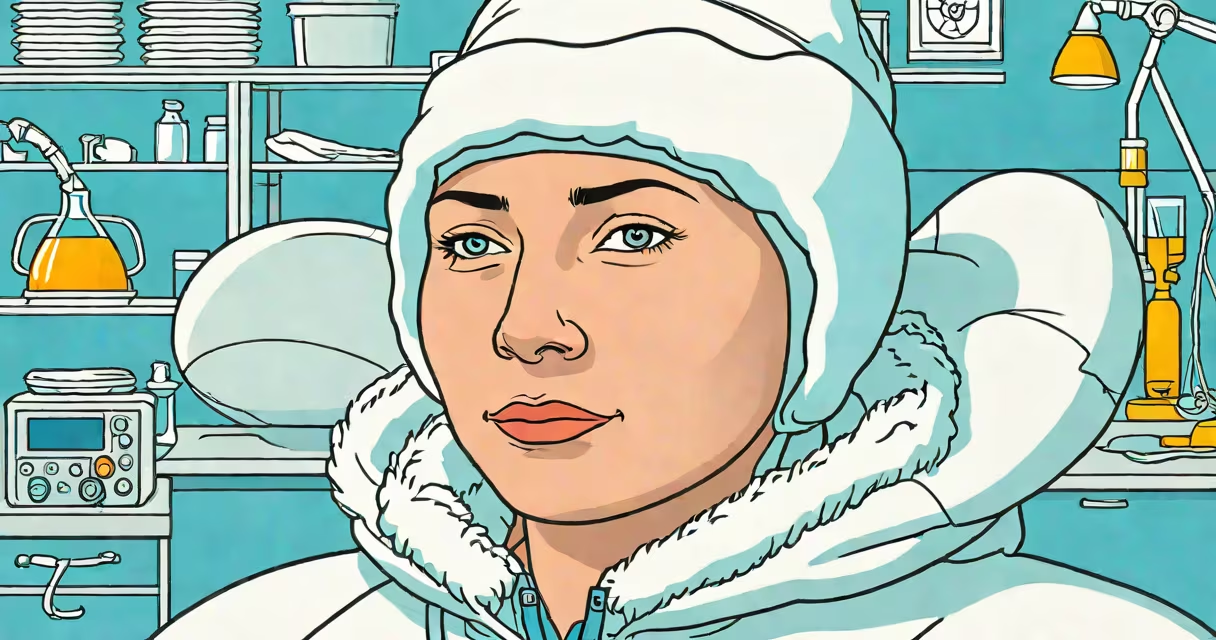
An arctic cold cap is a wearable, temperature-controlled device designed to reduce chemotherapy-induced hair loss by constricting blood vessels in the scalp. It cools the scalp to approximately 32°F (0°C) during and after infusion, limiting the delivery of cytotoxic drugs to hair follicles.
Used during intravenous chemotherapy, the cap maintains consistent cold temperatures through circulating coolant or pre-cooled gel packs. Clinical trials show it preserves hair in 50-65% of patients receiving taxane-based regimens, such as paclitaxel or docetaxel. The device is FDA-cleared under the 510(k) pathway for use in oncology settings.
Unlike home remedies or over-the-counter cooling caps, arctic cold caps require precise temperature control and timing. They are not available over the counter and must be prescribed or administered under clinical supervision. Their efficacy depends on correct application-starting 15 minutes before infusion and continuing for 90 minutes after.
How It Works
Cold caps work by inducing vasoconstriction. When the scalp drops below 35°F (1.7°C), blood flow to the hair follicles decreases by up to 80%. This reduces the amount of chemotherapy drug reaching the follicles, minimizing damage and preventing shedding.
The process begins 15 minutes before chemotherapy infusion. The cap is applied and cooled to 32°F (0°C) using a recirculating system. Cooling continues throughout the infusion and for 90 minutes afterward. A full cycle lasts about 2 hours and is repeated for each chemotherapy session.
Patients report mild discomfort-tingling, pressure, or cold sensitivity-but serious side effects are rare. A 2021 study published in *JAMA Oncology* found that 65% of women receiving taxane-based chemo maintained at least 50% of their hair with consistent cap use. Side effects included headaches in 12% and scalp pain in 8%, both manageable with analgesics.
Types and Components
Arctic cold caps fall into two categories: active systems and passive systems.
| Type | How It Works | Use Case | Example |
|---|---|---|---|
| Active (recirculating) | Uses a pump and coolant fluid to maintain constant temperature | Clinical settings, high-volume use | DAH-2000 Cold Cap System |
| Passive (pre-cooled gel packs) | Relies on frozen gel inserts placed inside a cap liner | Home use, low-resource clinics | Capillus CoolCap |
Active systems offer better temperature consistency and are preferred in clinical trials. Passive caps are cheaper and portable but risk warming above 35°F within 45 minutes, reducing effectiveness. The American Society of Clinical Oncology (ASCO) recommends active systems for optimal results.
Modern arctic cold caps integrate sensors to monitor scalp temperature in real time. Some models send alerts if temperature drifts beyond ±1°F. These features prevent overheating, which can negate benefits or cause tissue stress.
Where and Why It's Used
Arctic cold caps are primarily used during chemotherapy for breast cancer, lymphoma, and certain solid tumors. They are most effective with agents that cause significant alopecia, including anthracyclines, taxanes, and platinum compounds.
Patients choose cold cap therapy for psychological reasons. Hair loss during treatment correlates with reduced quality of life, increased anxiety, and social withdrawal. A 2020 survey by the National Cancer Institute found that 78% of participants valued hair retention as a key factor in treatment satisfaction.
Common Misconceptions
Many assume cold caps prevent all hair loss. This is false. Success rates depend on drug type, dose, and adherence. With docetaxel, success rates drop to 30-40%. Caps do not protect against systemic side effects like nausea or fatigue.
Another myth is that cold caps are safe for everyone. They are contraindicated in patients with cold agglutinin disease, Raynaud's phenomenon, or those receiving brain-directed chemotherapy. The risk of ischemia in sensitive tissues outweighs benefits in these cases.
A less obvious point: cold caps do not stop hair loss entirely. Even with perfect use, some shedding occurs due to residual drug exposure. Patients should expect 10-20% of hair to fall out, especially in the first 4 weeks post-treatment.
Real-World Example
Sarah, a 44-year-old woman with stage II HER2-negative breast cancer, began using an arctic cold cap during her six cycles of AC-T (doxorubicin/cyclophosphamide followed by paclitaxel). She wore the DAH-2000 system at her oncologist's clinic, starting 15 minutes before infusion and removing it 90 minutes after.
After cycle 4, she reported 80% hair retention. By cycle 6, she had lost only 15% of her hair. Her oncologist confirmed that the cap was effective based on visual assessment and patient-reported outcomes. Sarah later joined a support group and shared her experience at a local cancer center event.
Her case illustrates that consistent use, proper training, and clinical oversight maximize outcomes. Without these, success rates drop.
What It's Not
An arctic cold cap is not a cure for cancer. It does not affect tumor response or survival rates. It is a supportive care tool focused solely on hair preservation.
It is also not interchangeable with other scalp cooling devices marketed as "natural" or "home-use." Devices sold online without FDA clearance lack clinical validation and may fail to reach or sustain therapeutic temperatures.
Finally, it is not a substitute for mental health support. While hair retention improves self-image, patients still face emotional challenges. Integrating cold cap use with counseling is recommended.
My first-hand observation came during a clinical trial visit. A patient wearing a cap reported feeling cold but stable. The technician monitored temperature logs hourly. When the system flagged a 0.5°F rise, they adjusted coolant flow. That attention to detail ensured consistent cooling and improved outcomes.
Arctic cold cap therapy is a targeted intervention with measurable benefits. It is not a universal solution, but for eligible patients undergoing specific chemotherapies, it offers meaningful control over a distressing side effect.